Cinematographer specialising in underwater imagery for documentaries and features
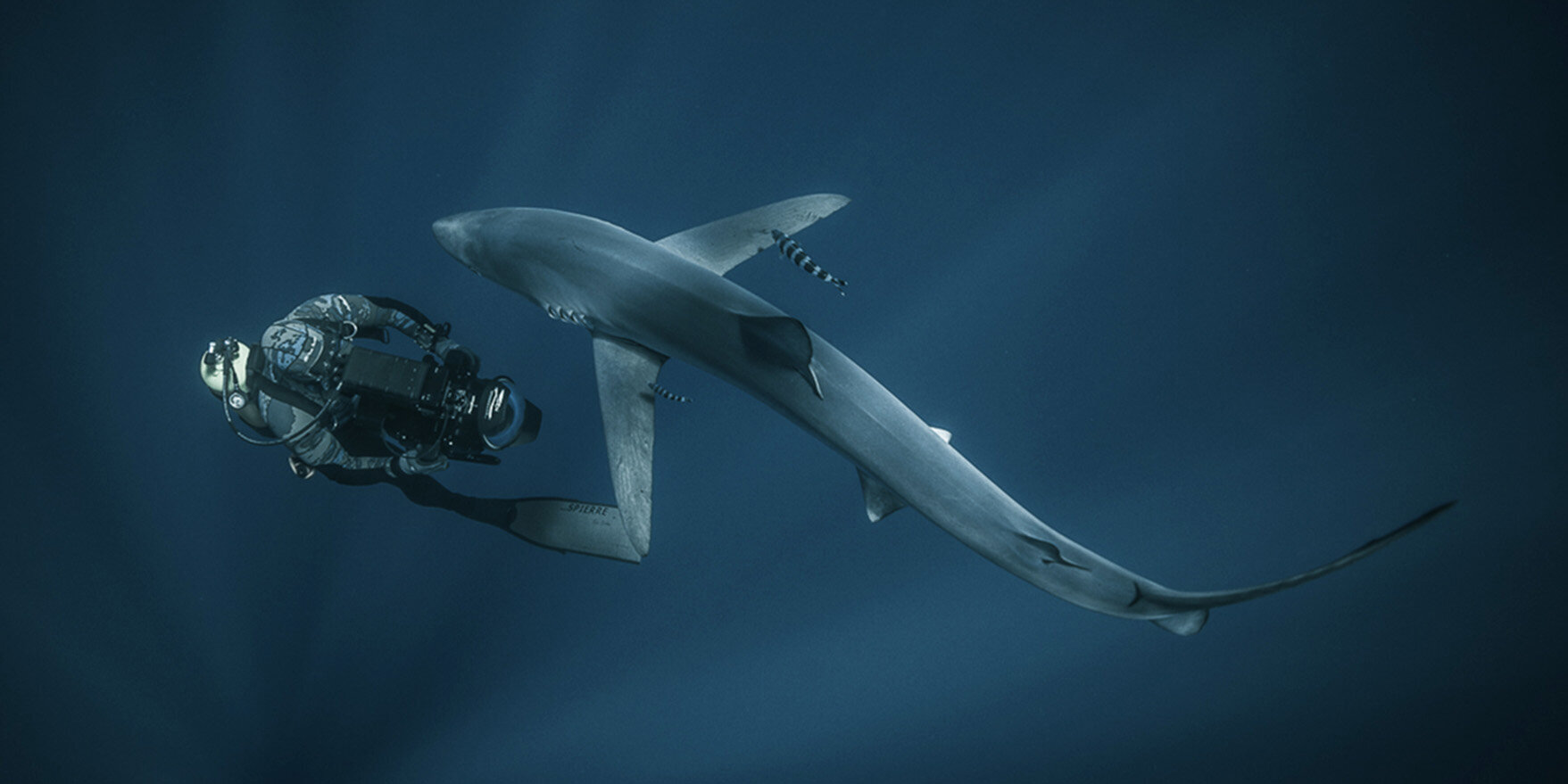
Roger has worked from the frozen poles to the tropical equator, specialising In immersive imagery of dynamic and fast moving animals and events. He is best known for his work on My Octopus Teacher, Our Planet and Blue Planet 2. Roger Is currently working on Planet Earth 3 and an ocean series for Netflix.
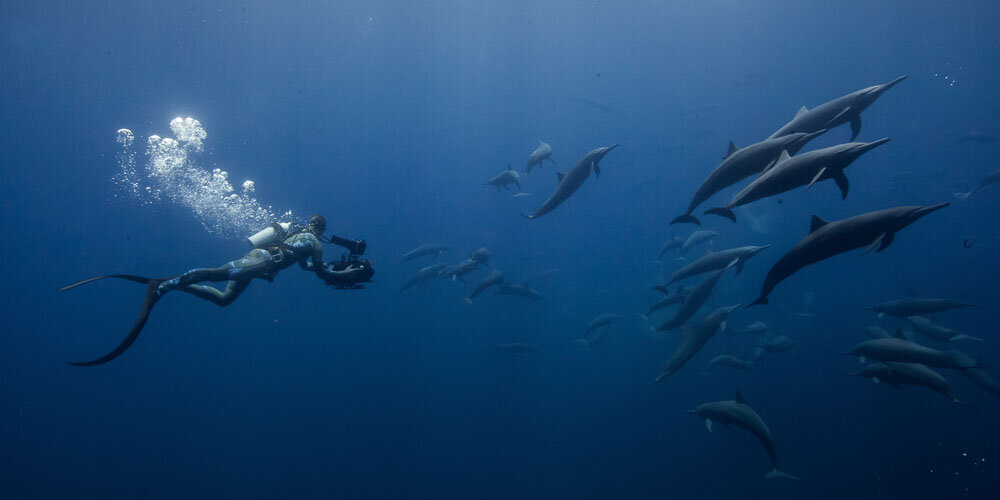
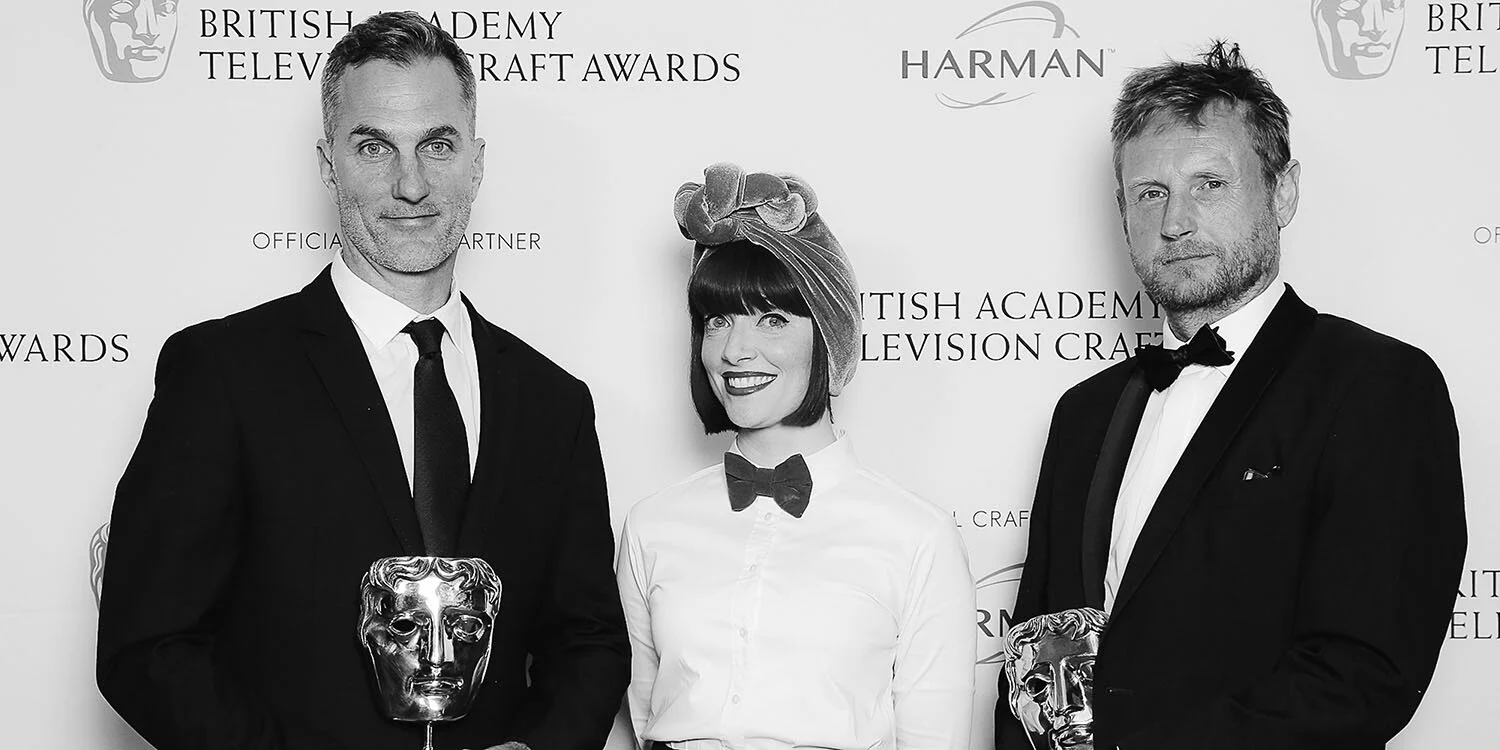
Cinematography Credits

My Octopus Teacher
Produced by Craig Foster| Directed by Pippa Ehrlich and James Reed | Director of Photography - Roger Horrocks
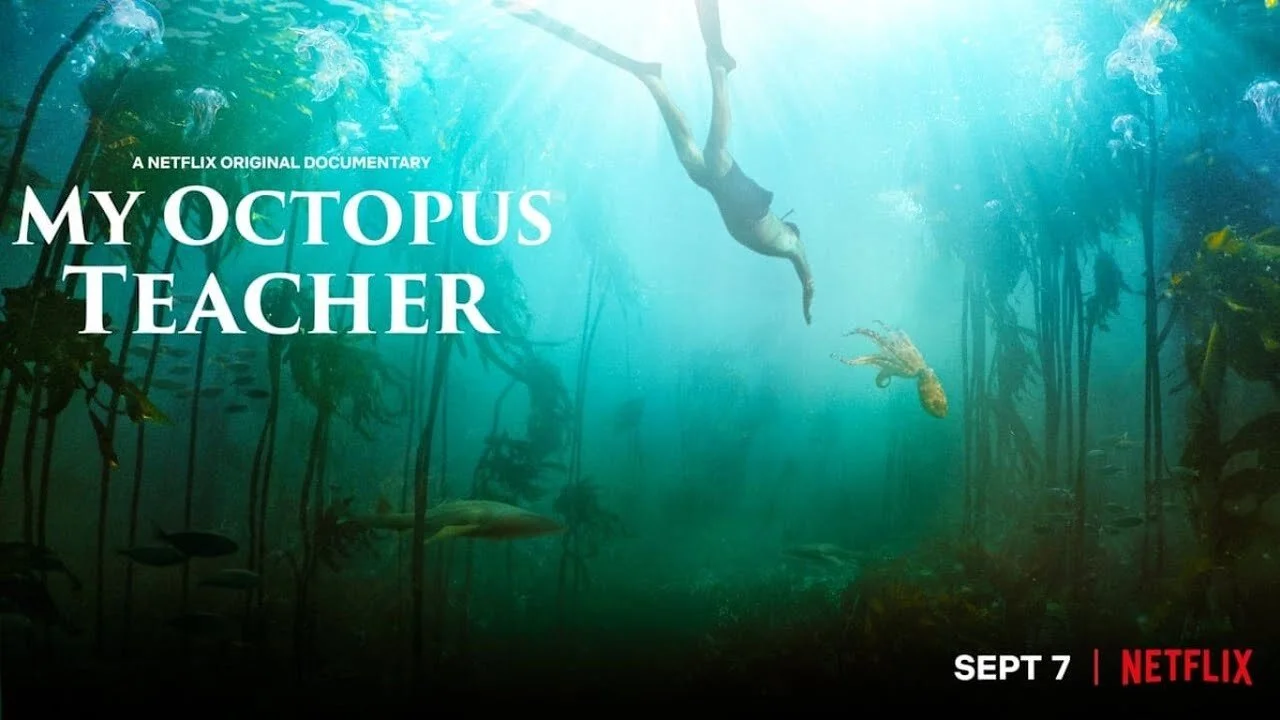
My Octopus Teacher takes viewers into a world few humans have ever seen. In 2010, debilitated by adrenal fatigue, Craig began free diving in a freezing underwater forest at the tip of Africa. As the icy water re-energised him, he started to film his experiences and in time, a curious young octopus captured his attention. By visiting her den and tracking her movements everyday for months, he won the animal’s trust and they developed an unlikely relationship.As the little octopus shared the secrets of her world, Craig became witness to the beauty and drama of a wild creature’s life and in the process, underwent an incredible mental and physical transformation.

Apple TV Screensavers
Commissioned through BBC Studios | Series Producer - Jonathan Smith
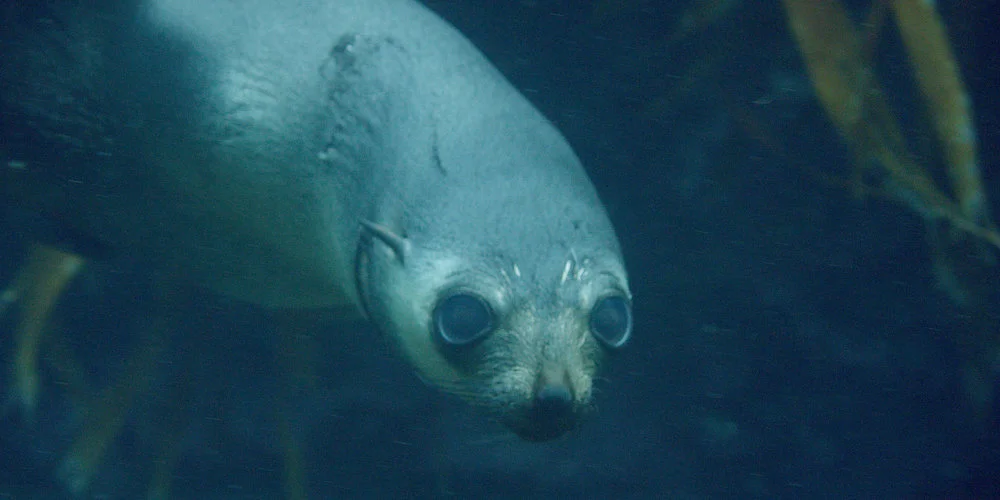
Cape Fur Seals off the Cape Peninsula
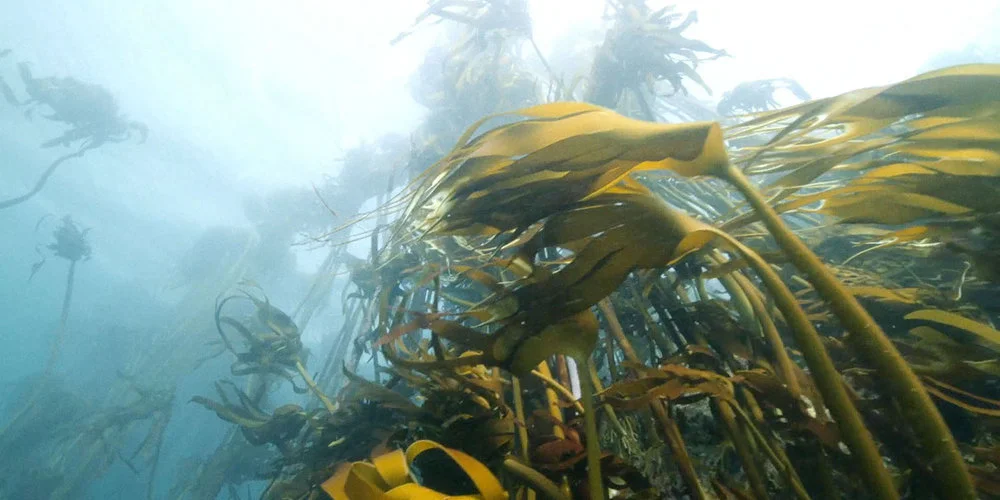
Drifting through a Kelp Forest off the Cape Peninsula
Jellyfish Swarm off Alaska
Spinner Dolphin off Costa Rica
Kelp Forest off Los Angeles, California.

Our Planet
8 x 52mins | Executive Producers - Alistair Fothergil and Keith Scholley - Silverback Films
Sir David Attenborough narrates this eight-part series that explores the unique wonders of the natural world. Produced in partnership with the World Wildlife Fund, "Out Planet" uses a combination of stunning photography and technology to present Earth's remaining wilderness areas and their animal inhabitants.
The project took four years to complete, with more than 600 crew members filming in 50 countries across the world to showcase the diversity that exists among habitats, from the remote Arctic wilderness to the jungles of South America.
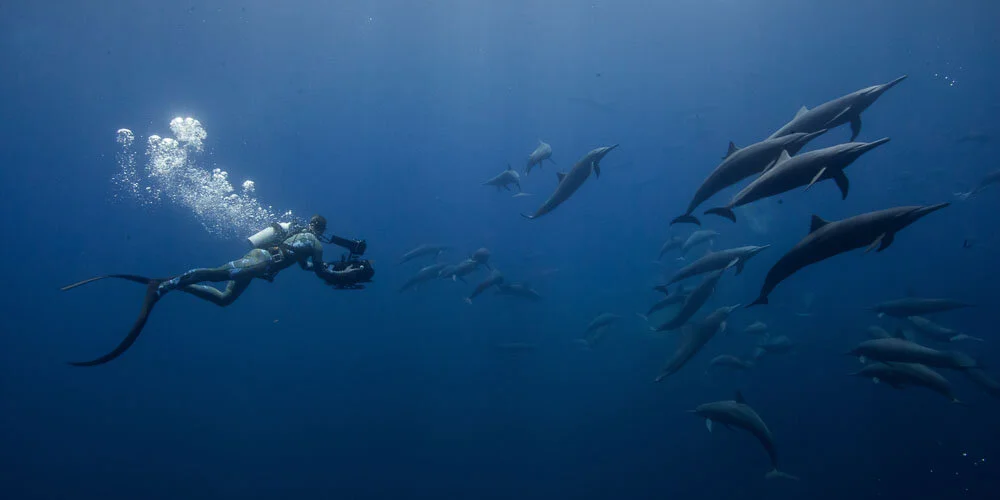
Spinner dolphins, Costa Rica.
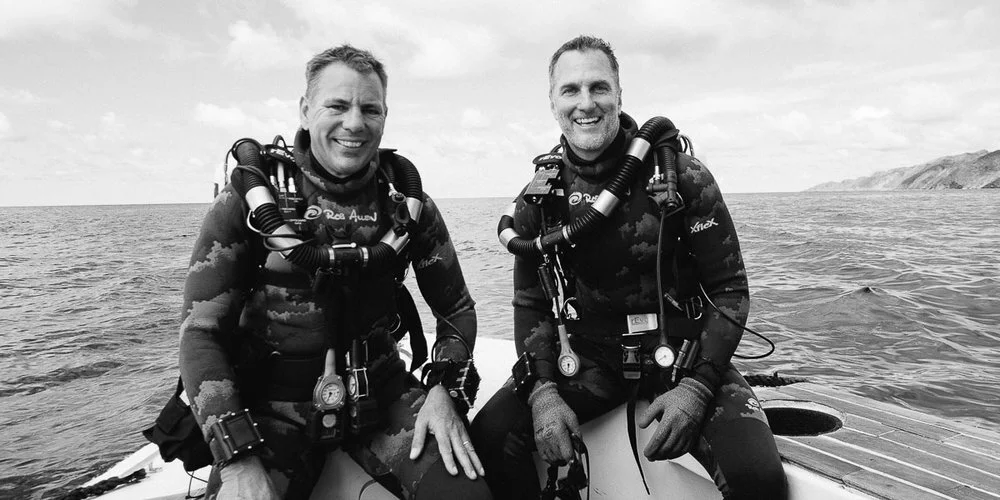
With Producer Hugh Parson, Misool, Raja Ampat.
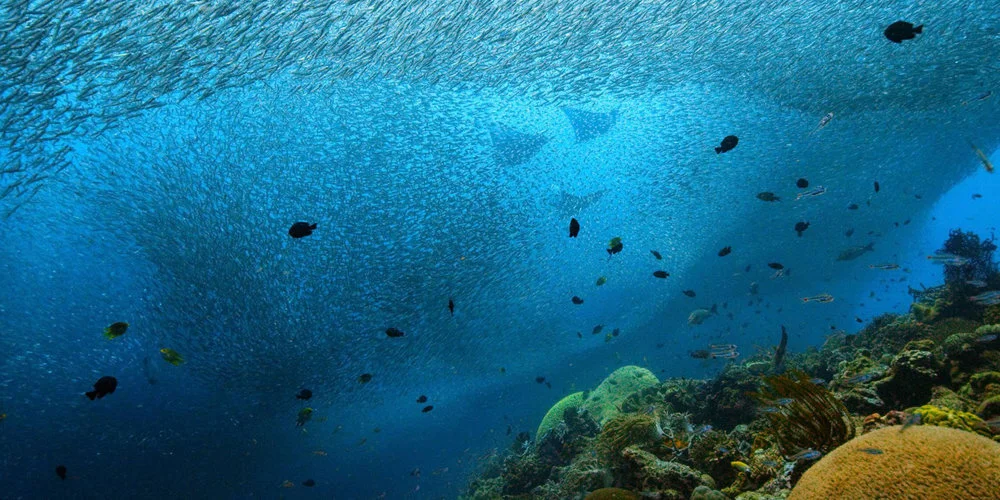
Mobulas and anchovy, Misool, Raja Ampat.
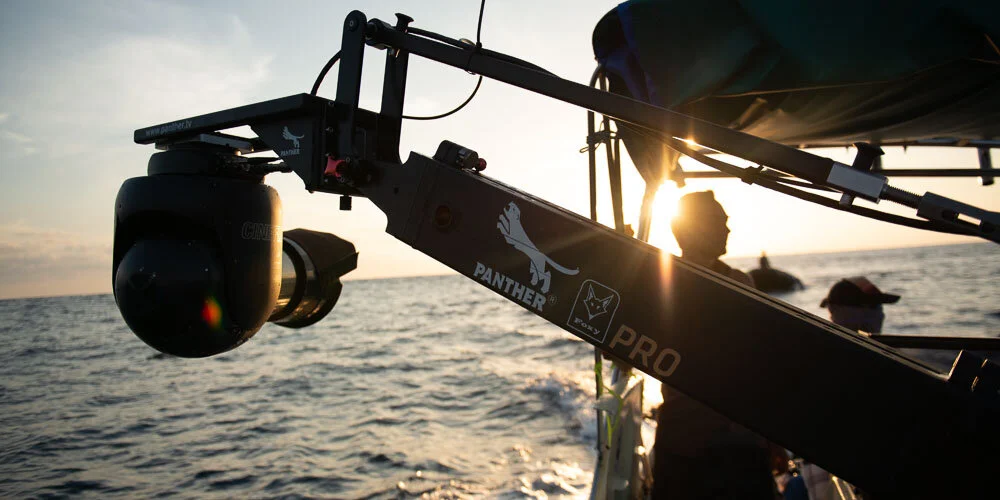
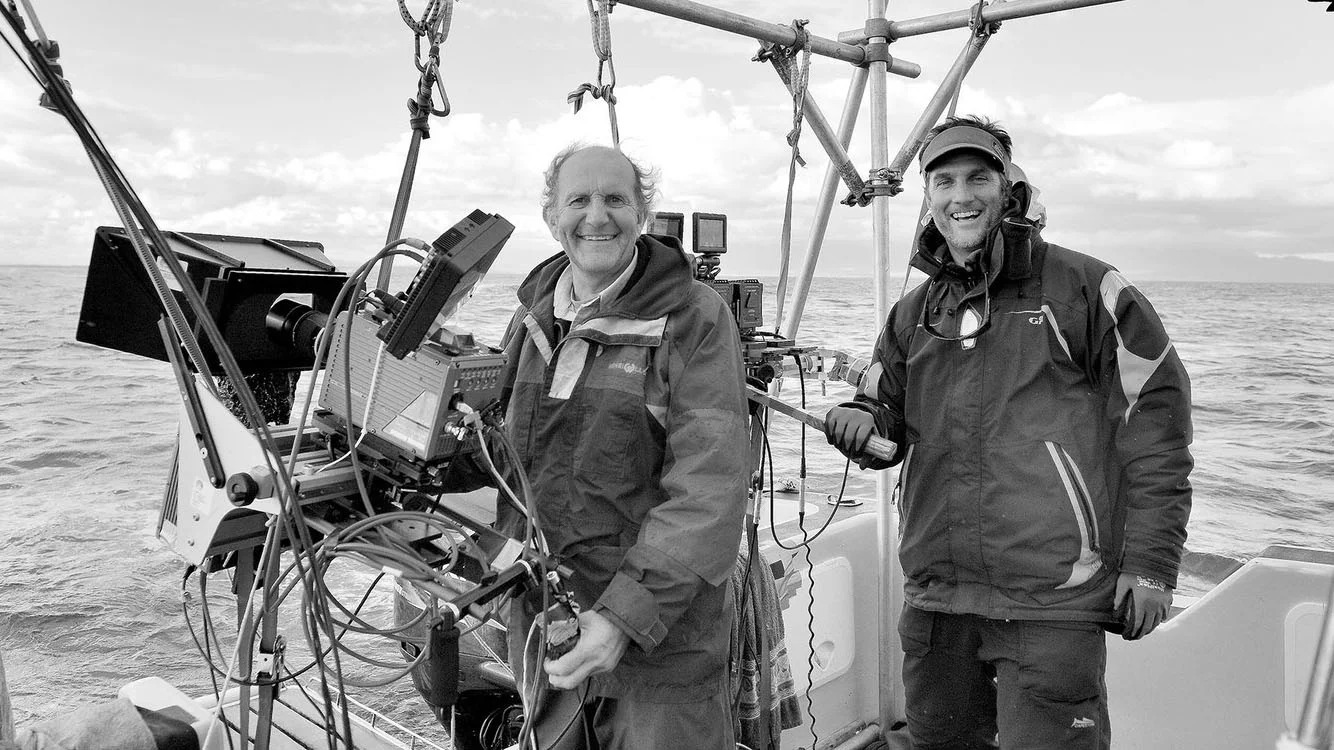
Topside cameraman Justin Maguire.
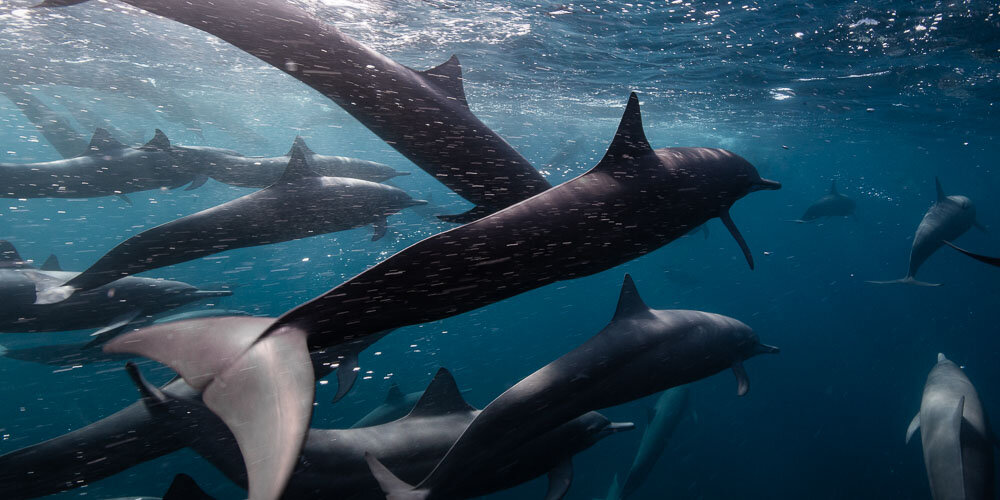
Spinner dolphin off Costa Rica.
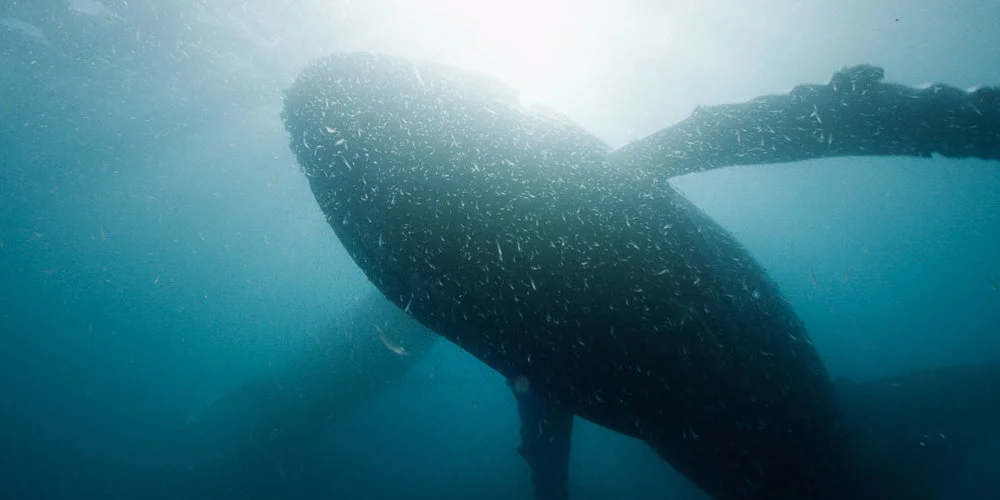
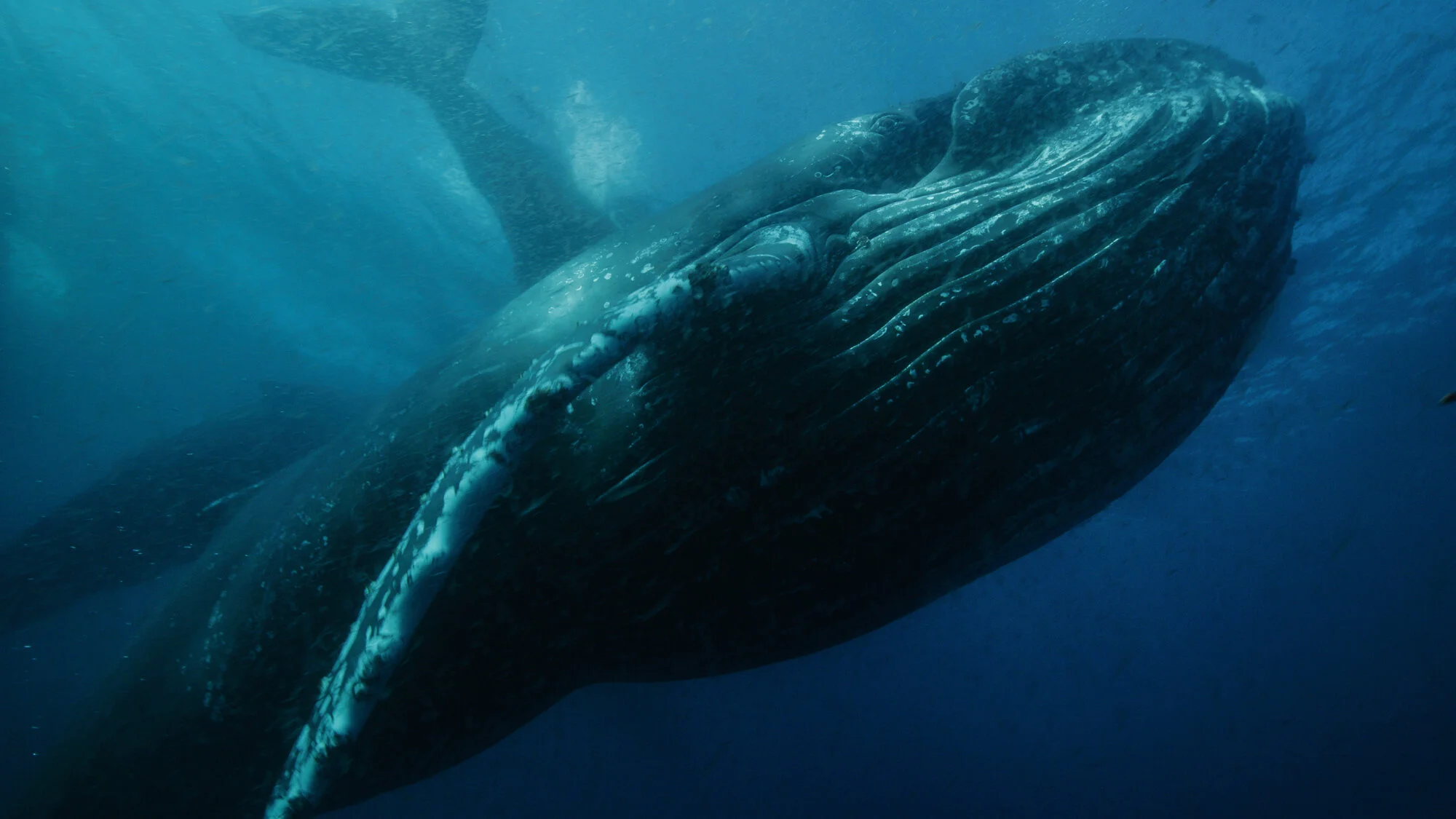
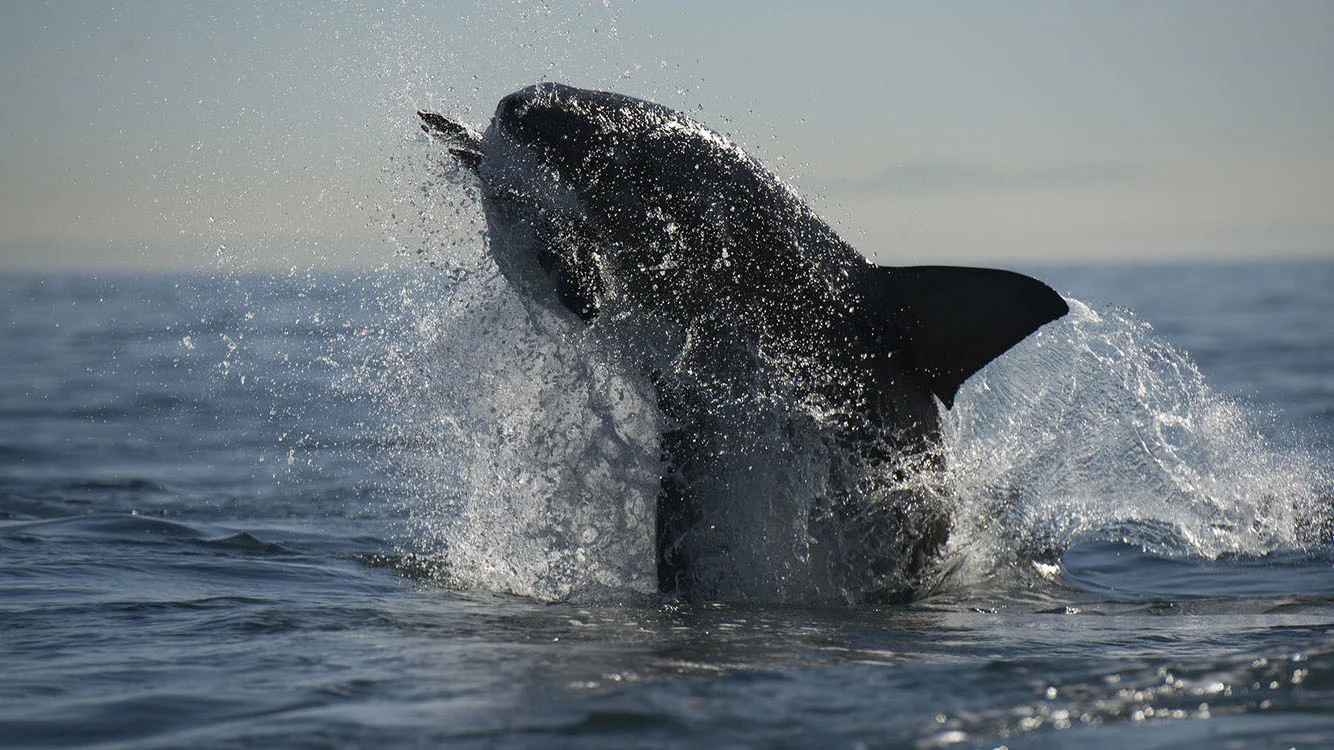
Feeding humpback whales off cape Town, South Africa.
Sequences from Our Planet

Blue Planet 2
6 x 52min | Producers - Jonathan Smith and Katherine Jeffs | SP - Mark Brownlow | EP - James Honeybourne
In 2001, the BBC led the world with the multi award-winning Blue Planet; now it plans to return to the planet’s oceans. More marine species have been discovered in the past decade than ever before, with an average of 2,000 discoveries per year. Drawing on new filming techniques not available at the time Blue Planet was shot - such as a new gyro-stabilised aerial camera system, remotely operated submarines, 4k digital resolution and new marine tracking techniques - we will capture the marvels of the world’s largest living space.
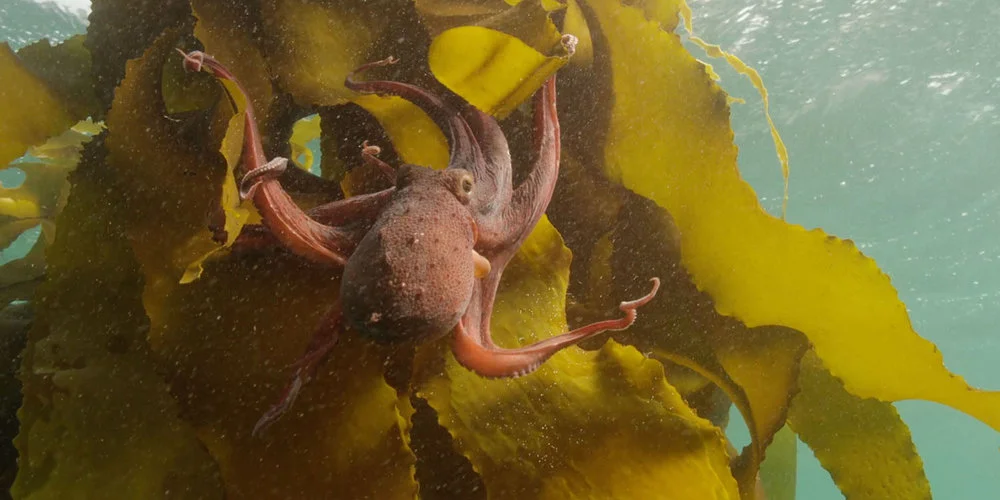
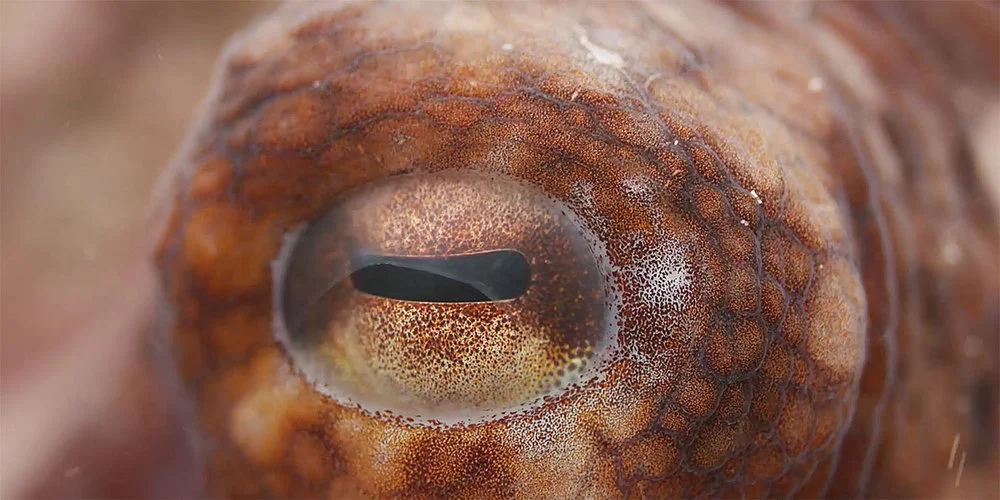
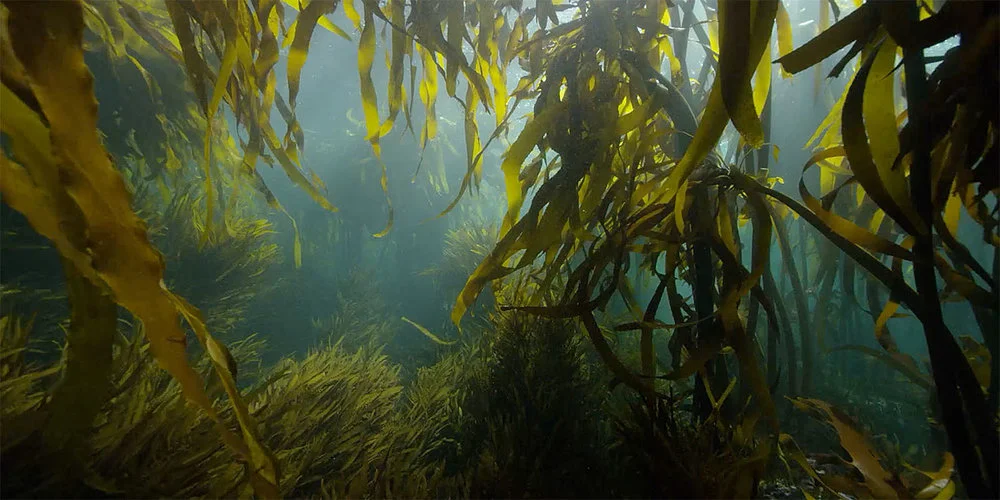
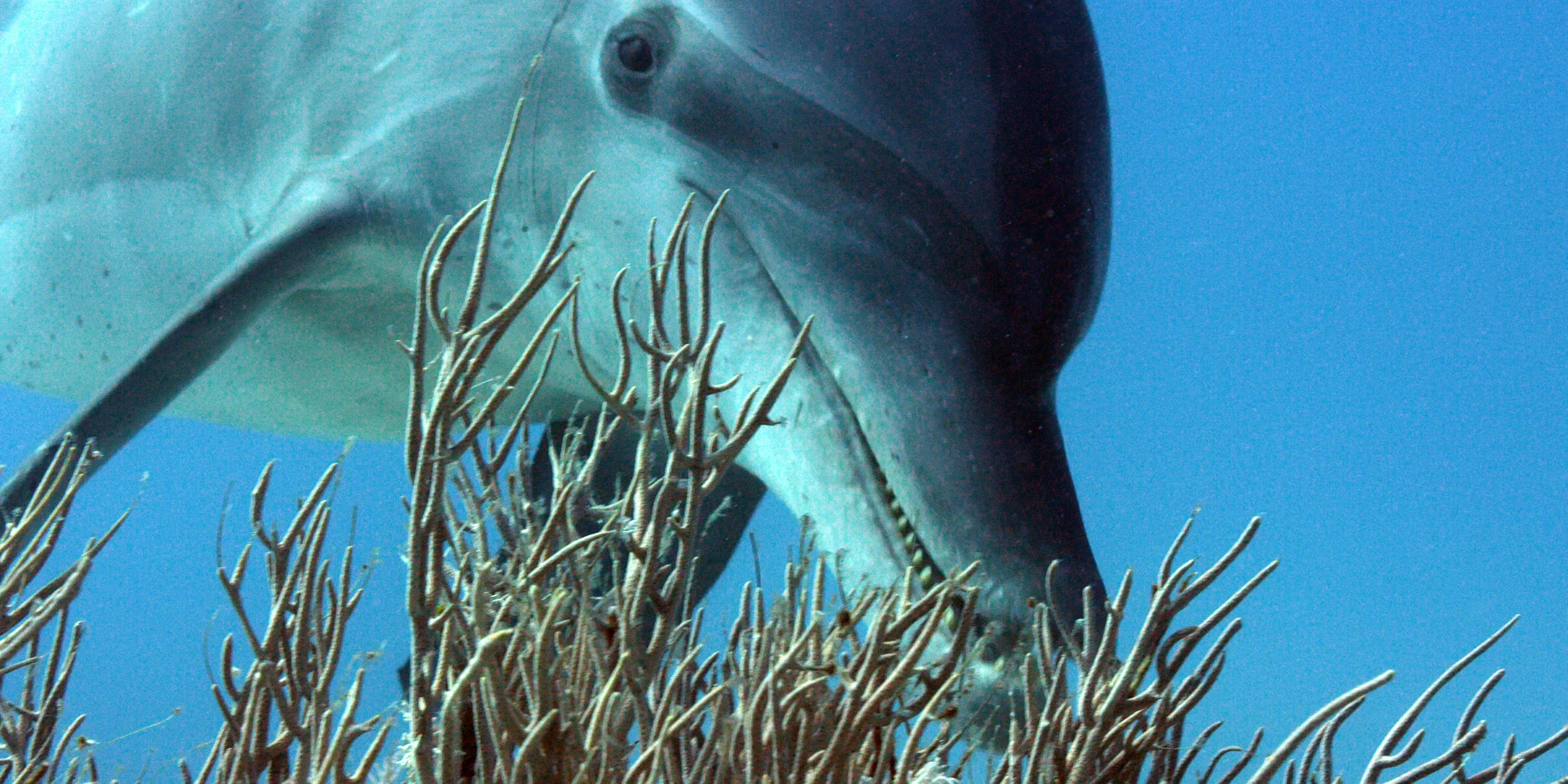
Sequence shot for Green Seas Episode of Blue Planet 2 - Armouring Octopus
The astounding superstar Craig Foster and I filmed off Cape Town evading predation by a pajama shark by covering itself in an exo-skeleton of shells.

Dolphin Reef and Elephant
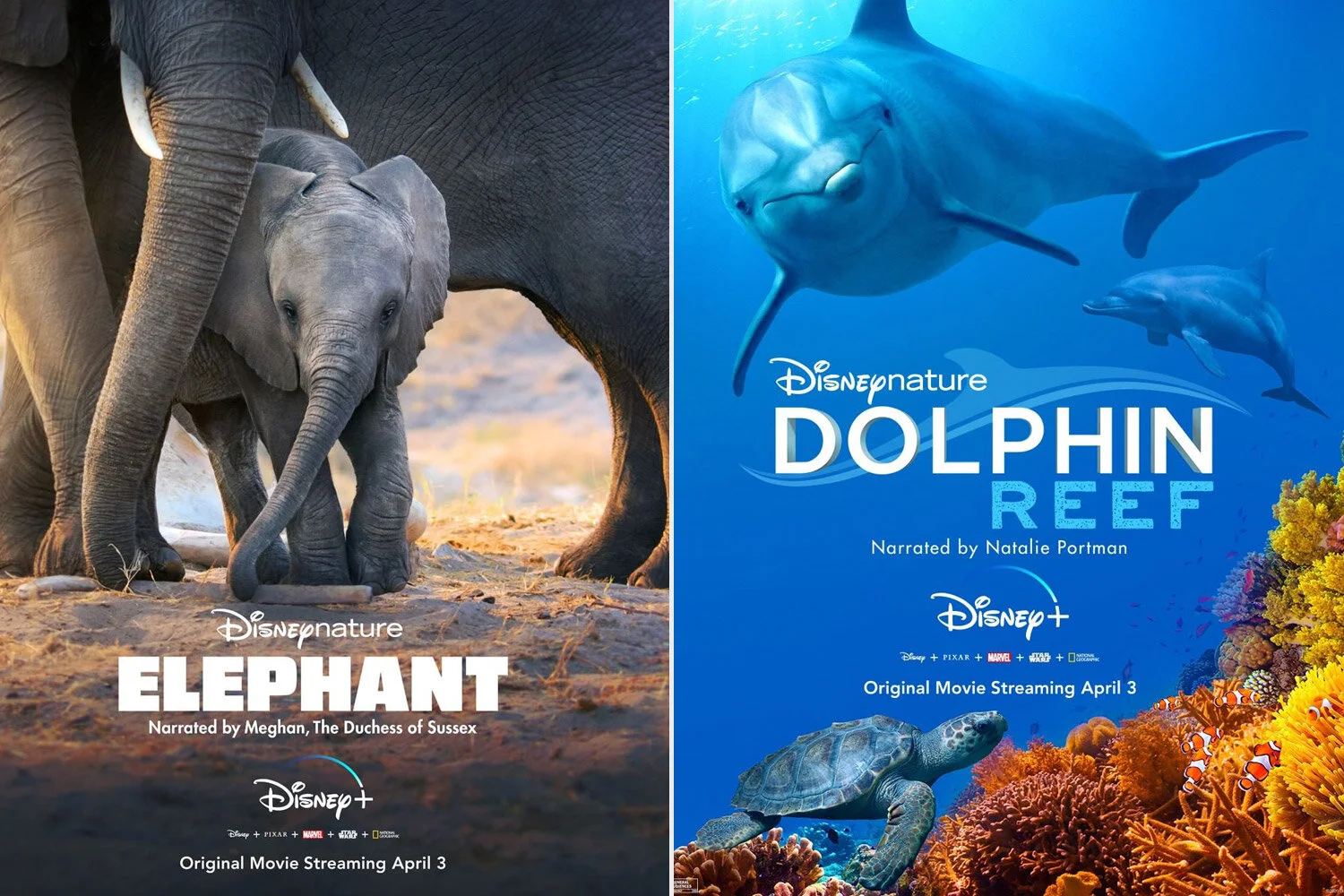
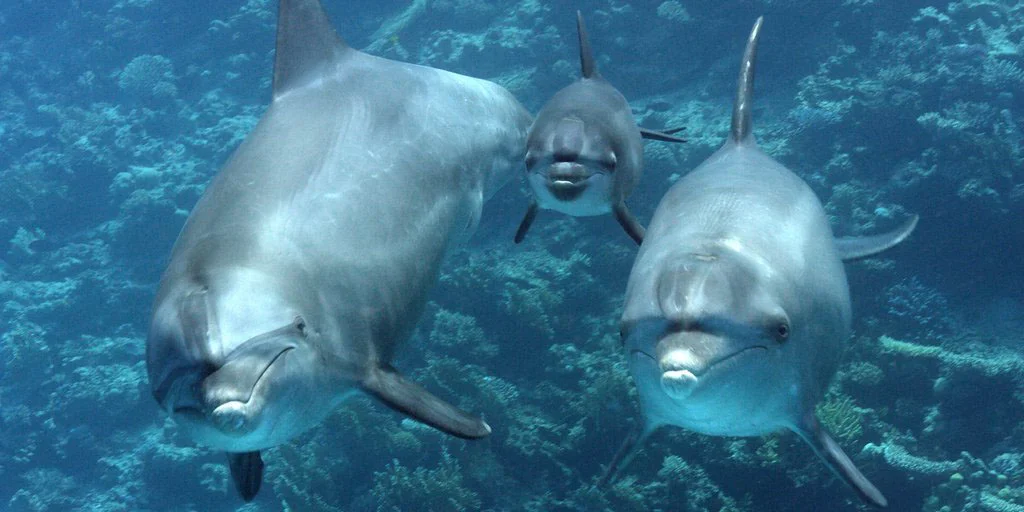
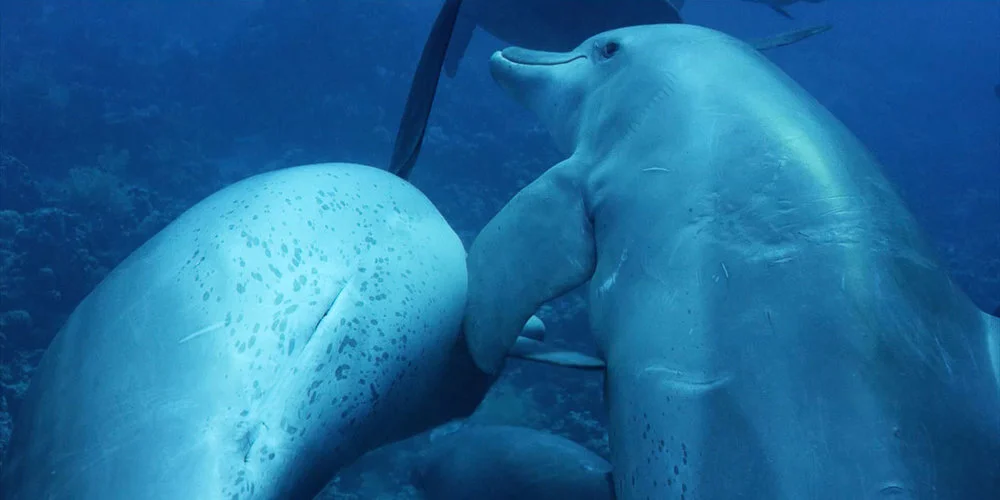
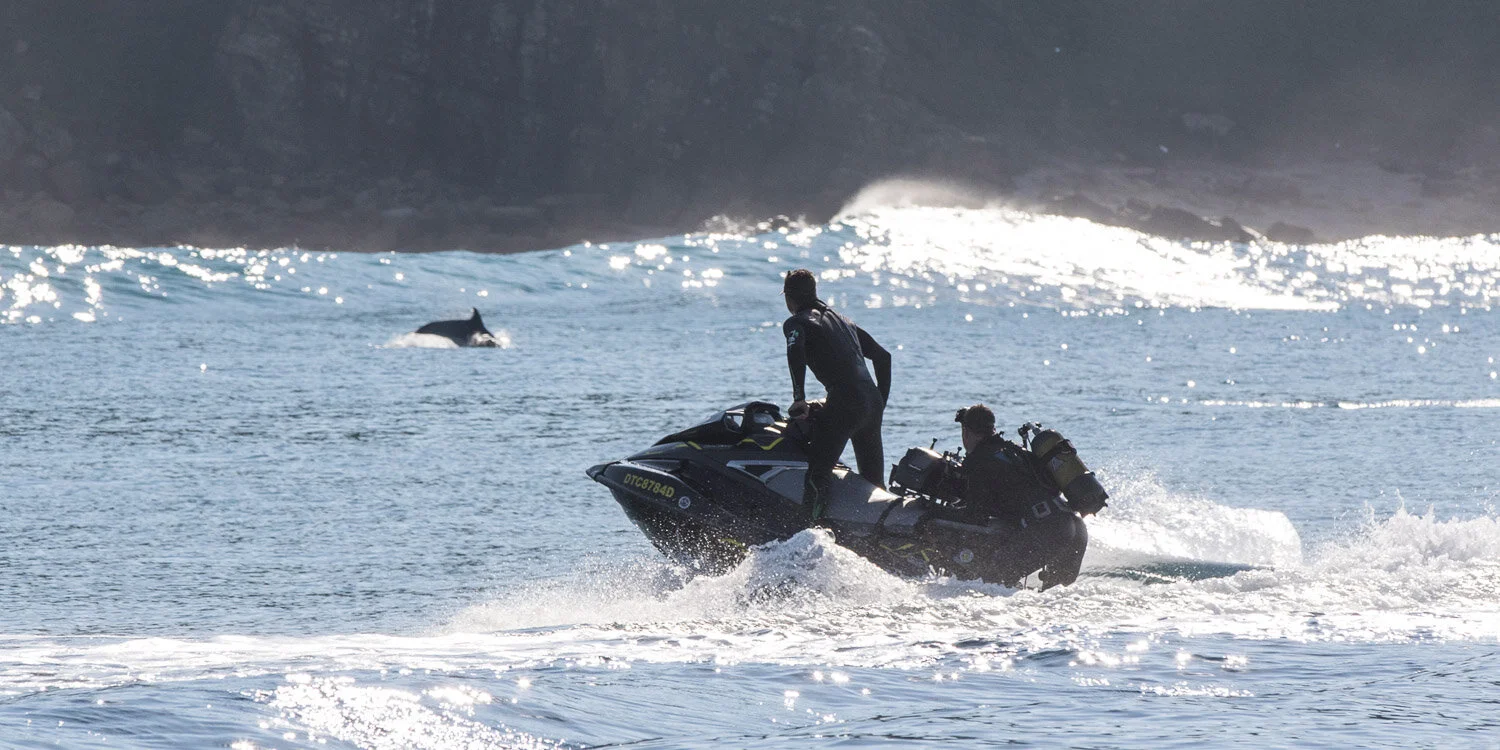
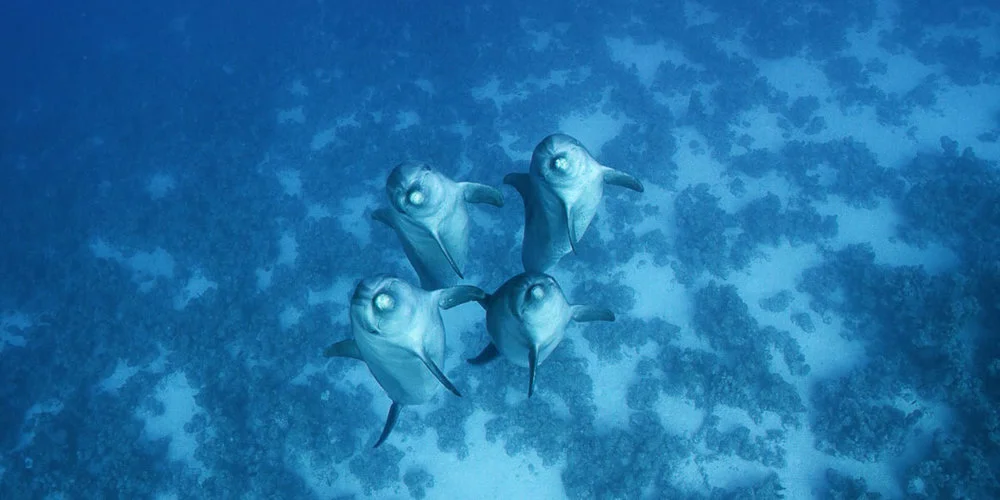
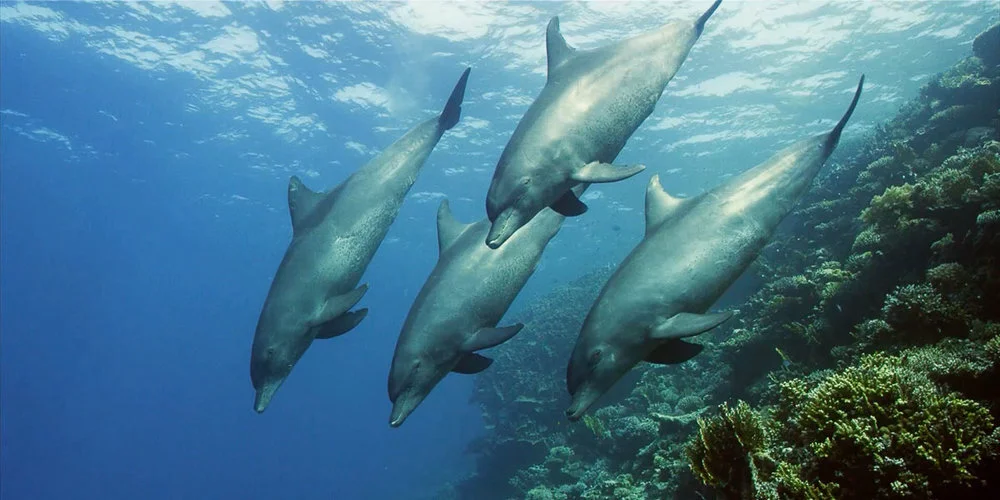
Narrated by Oscar®- and Golden Globe®-winning actress Natalie Portman, Disneynature’s “Dolphin Reef” tells the spectacular story of Echo, a young Pacific bottlenose dolphin who seems far more interested in exploring the coral reef, and its intriguing inhabitants, than learning to survive in it.

Hostile Planet
Director - Guillermo Navarro | Executive producers - Martha Holmes and Tom Hugh-Jones
HOSTILE PLANET is a ground-breaking wildlife series that explores Earth's most hostile environments. Over the course of six episodes, we explore the extremes of deep, high, cold, hot, wet and dry and reveal the truly extraordinary ways in which animals have adapted to survive in the face of great adversity. It's always been a HOSTILE PLANET and yet, in the last 40 years, it's got a whole lot tougher for the wildlife. The world has changed more in the last 40 years than at any time in the last 65 million. So animals in the most hostile places on Earth must adapt in the blink of an evolutionary eye. Facing everything from intrinsically hostile habitats and brutally punishing weather to the unrelenting threat of predators and intense competition for resources, their challenge is simple: adapt or die.

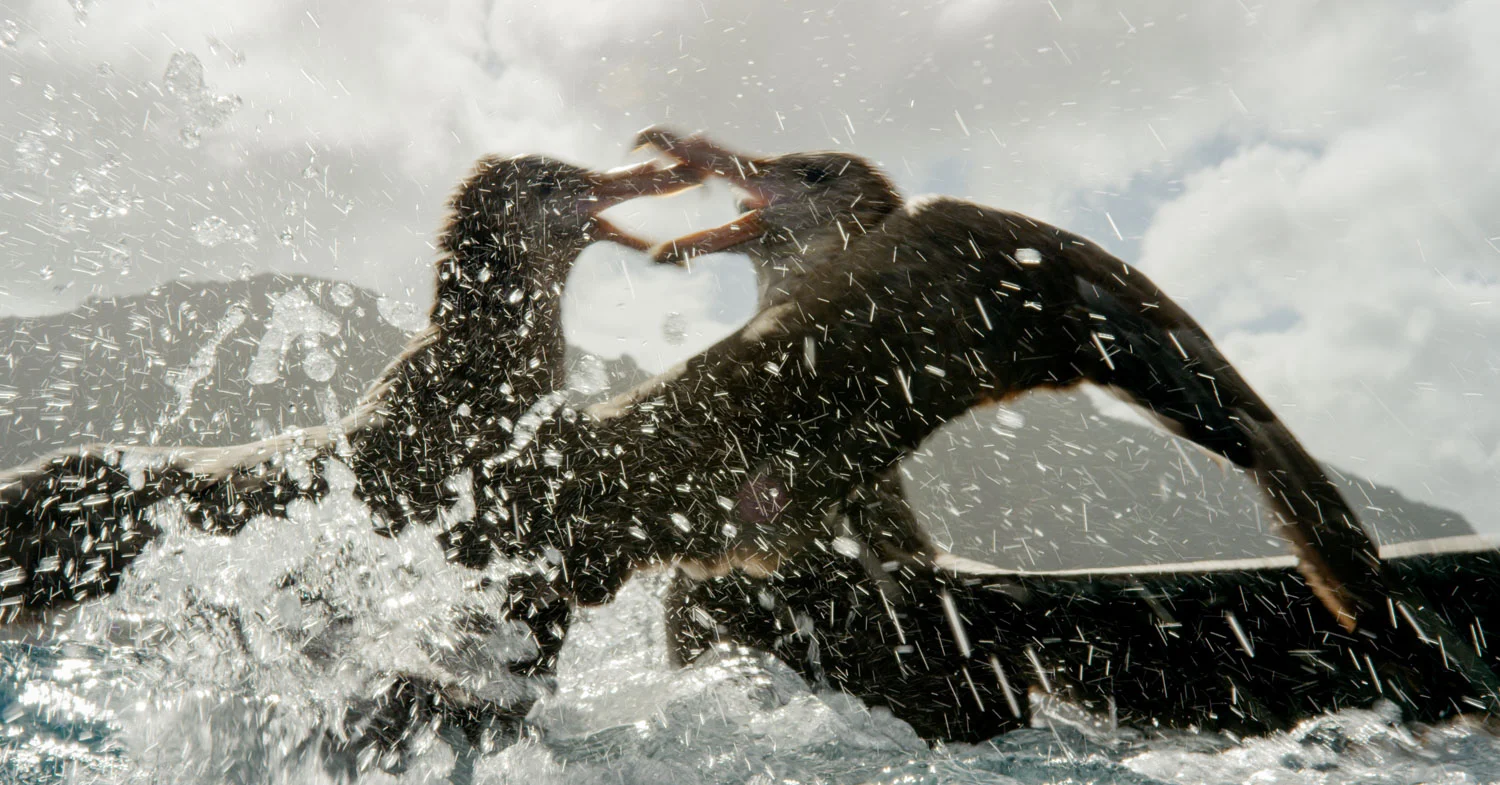
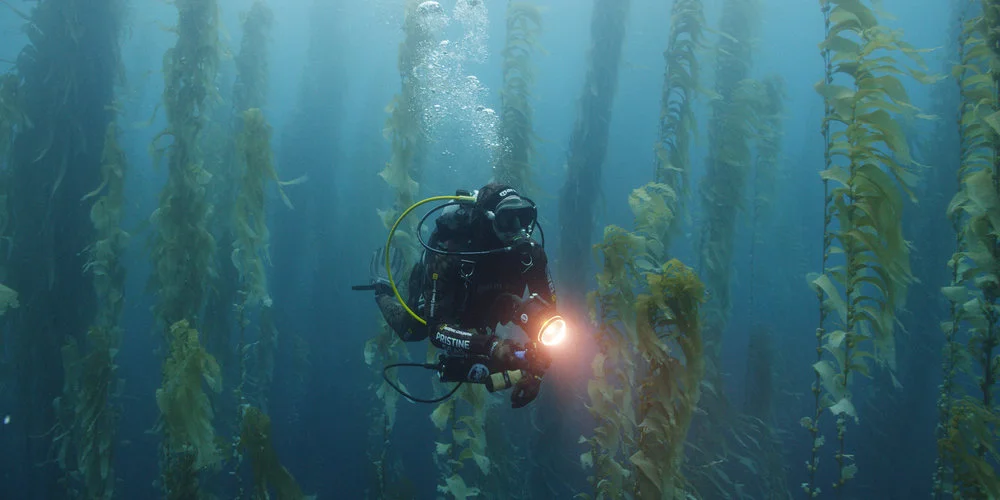
2016 National Geographic Pristine Seas Expedition to Tristan Da Cunha
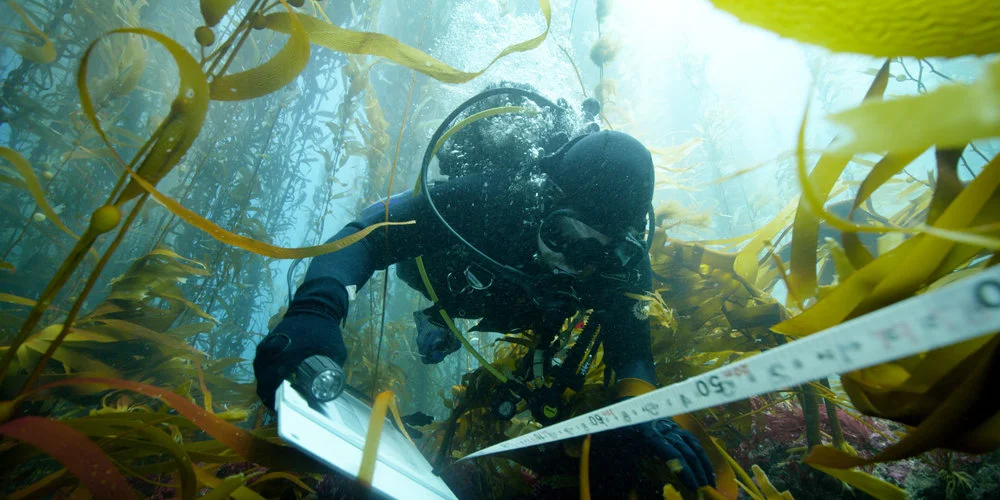
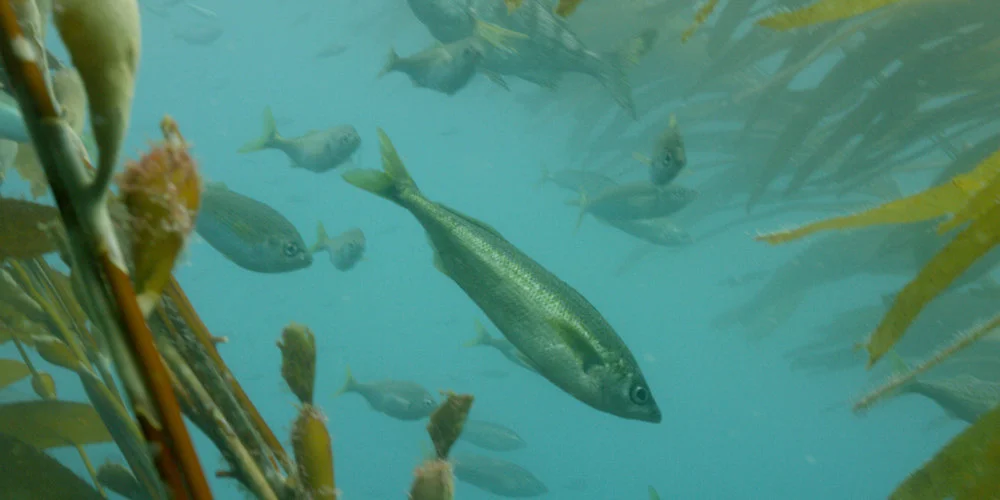
In collaboration with the Royal Society for the Protection of Birds (RSPB) and the Tristan da Cunha government, Pristine Seas launched an expedition to Tristan da Cunha in January 2017. Spending 20 days at the archipelago, the team carried out quantitative surveys of shallow flora and fauna, open-water communities, and deep-sea habitats to determine the health of its largely unknown marine environment. The team obtained their data during scuba dives and from baited stereo cameras and deep-water drop cams.
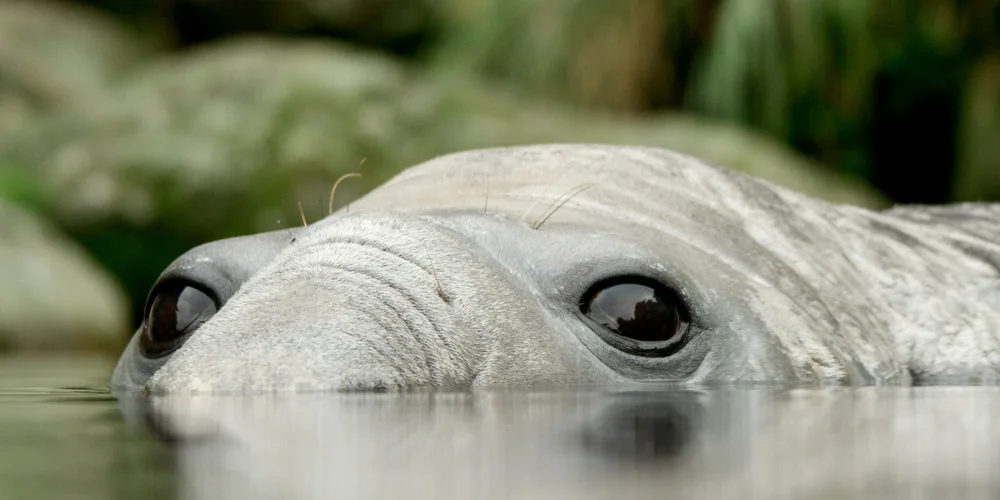
They used satellite tags to examine the movements of apex predators, such as sharks, and conducted botanical work and bird and seal studies.Among their findings: Migratory blue sharks—the most heavily fished sharks in the world, highly prized for their fins—may have found a refuge in Tristan da Cunha’s waters. The team saw more blue sharks here than in any other location they’ve sampled.

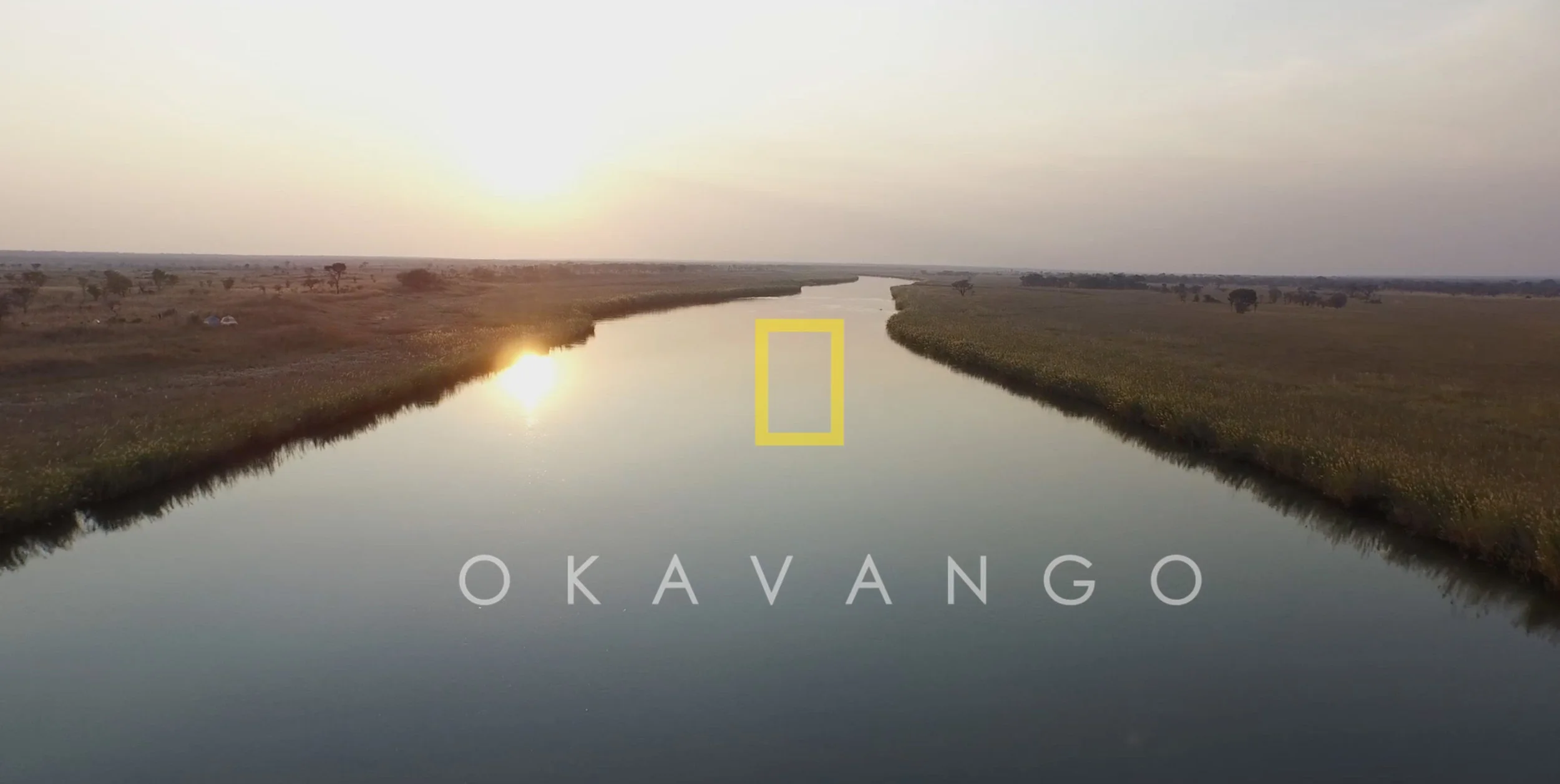
OKAVANGO - A feature length film by Neil Gelinas
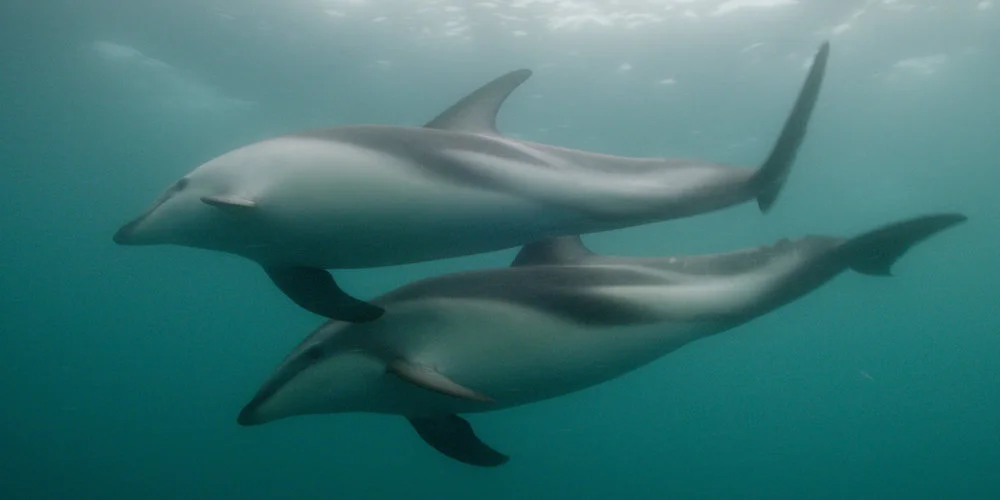
From National Geographic Documentary Films, Into the Okavango chronicles a team of modern-day explorers on their first epic four-month, 1,500-mile expedition across three countries to save the river system that feeds the Okavango Delta, one of our planet's last wetland wildernesses..
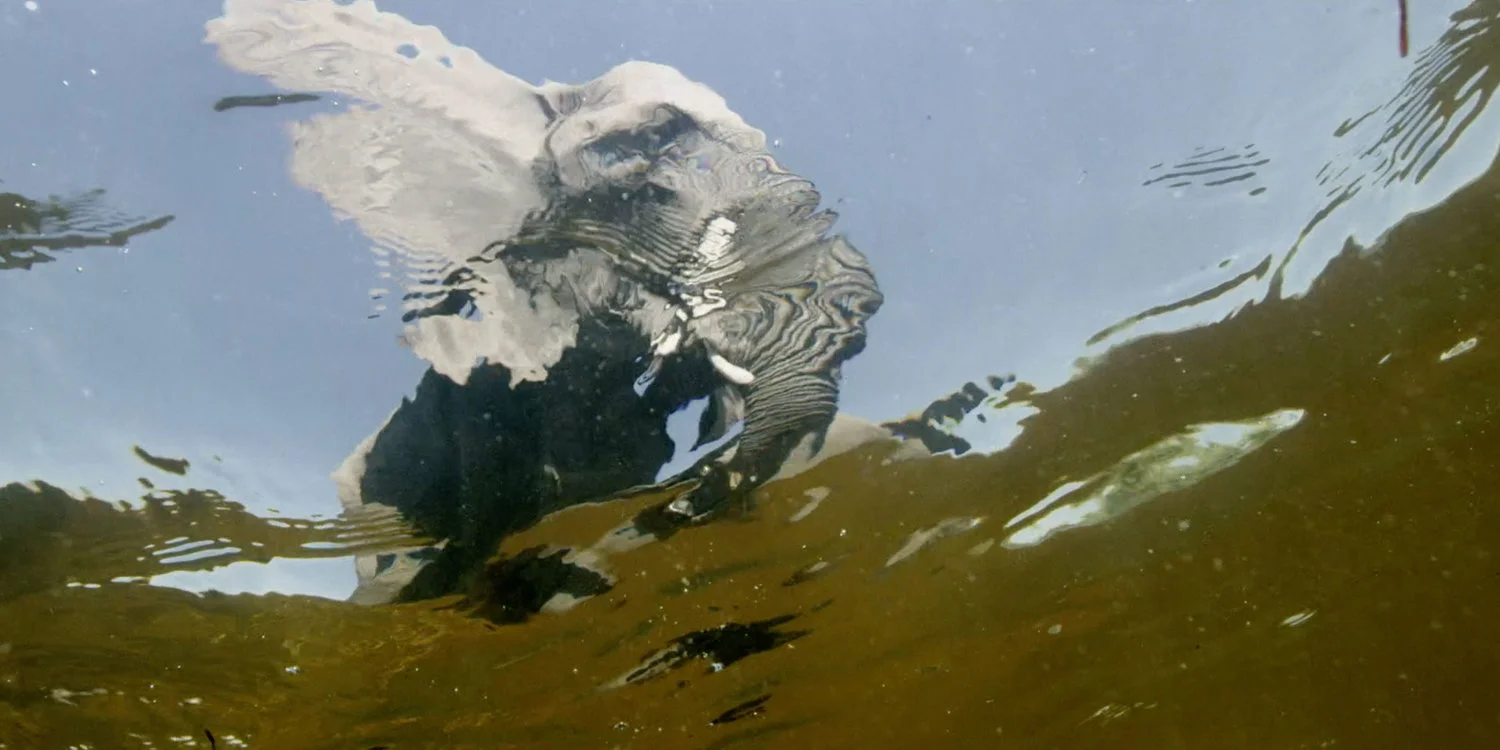
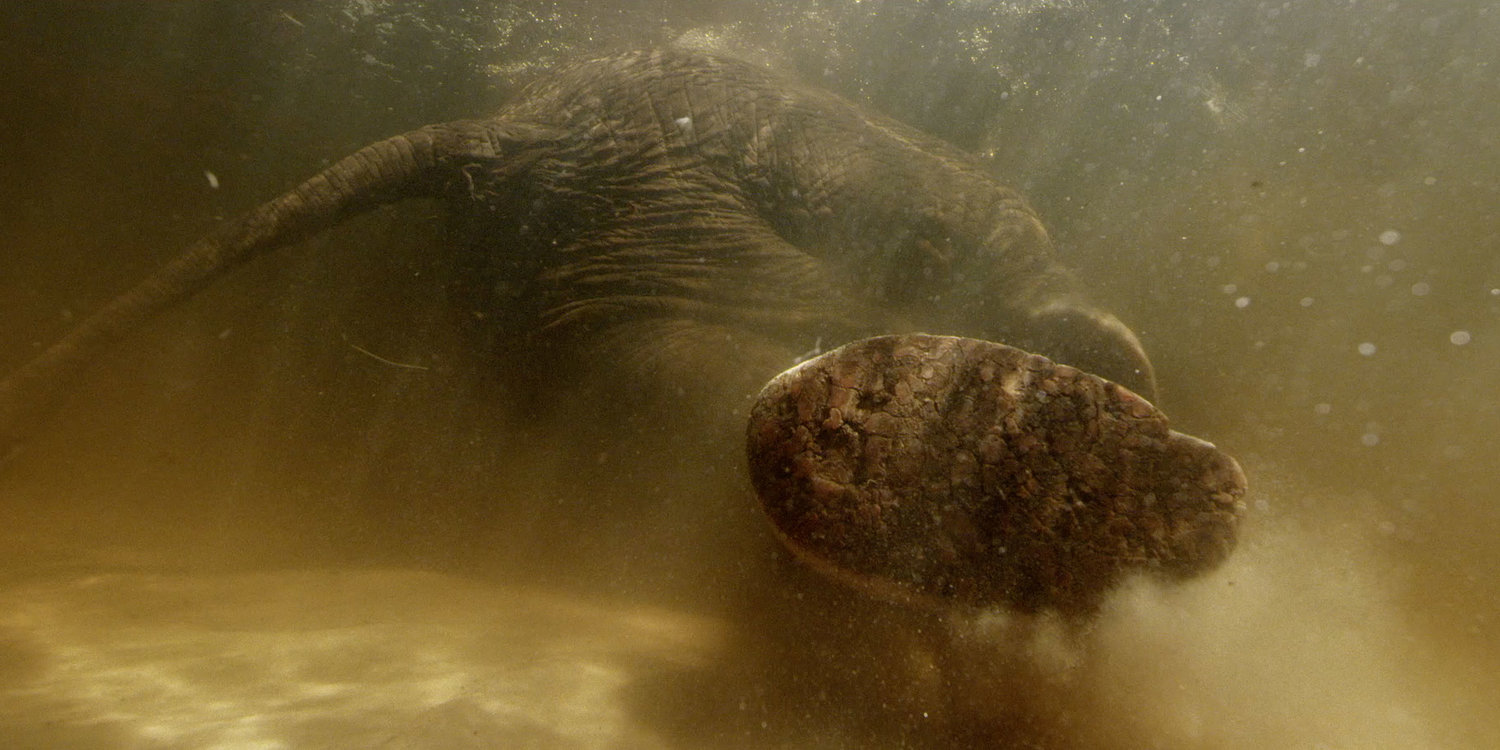
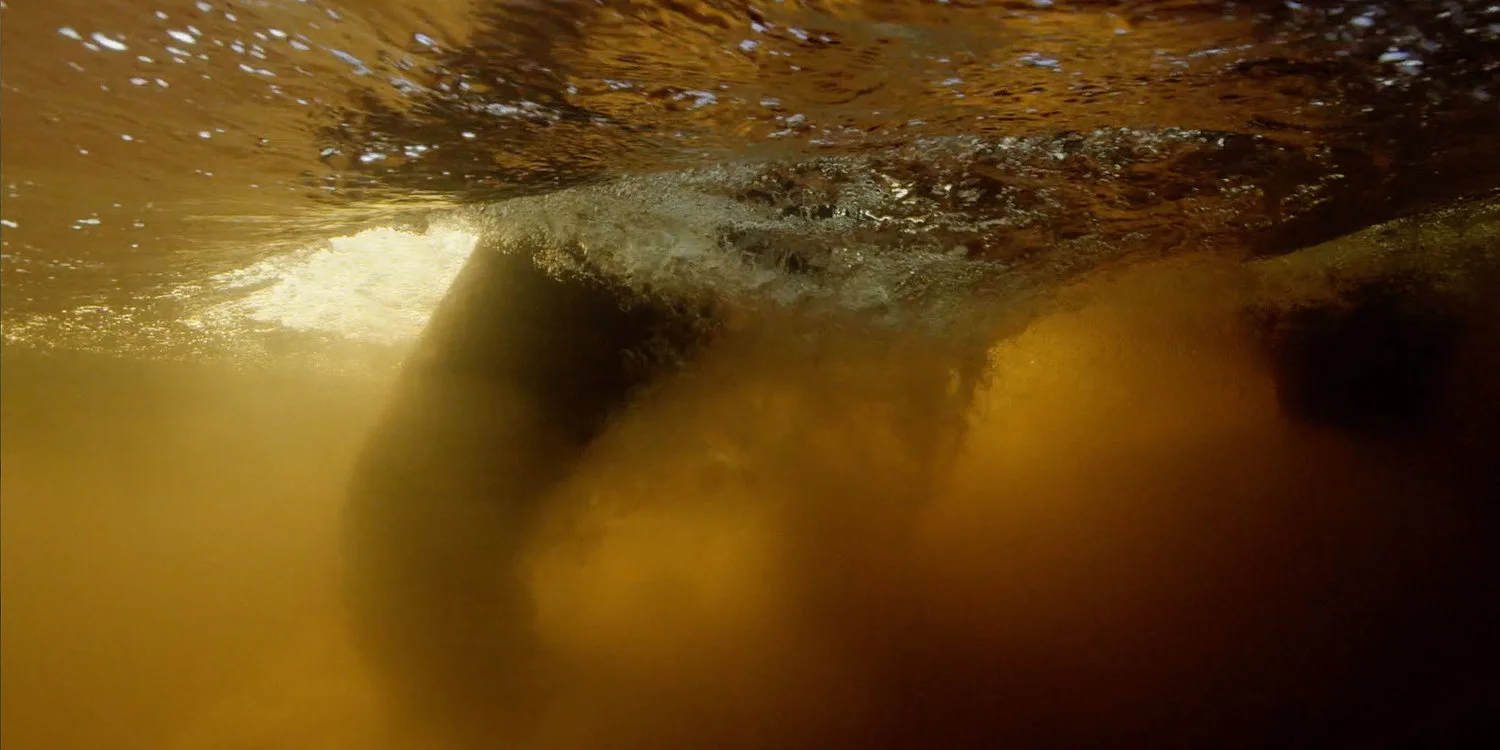
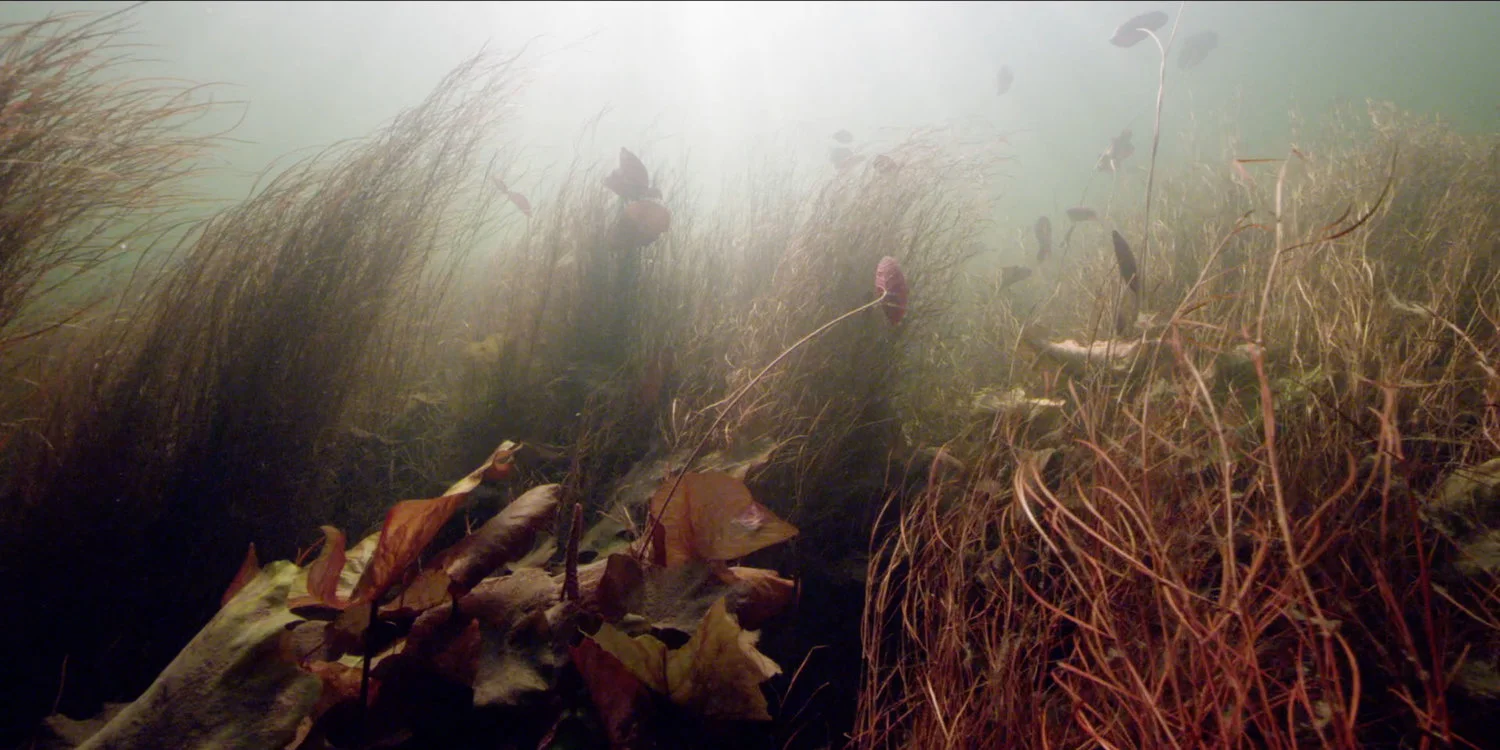
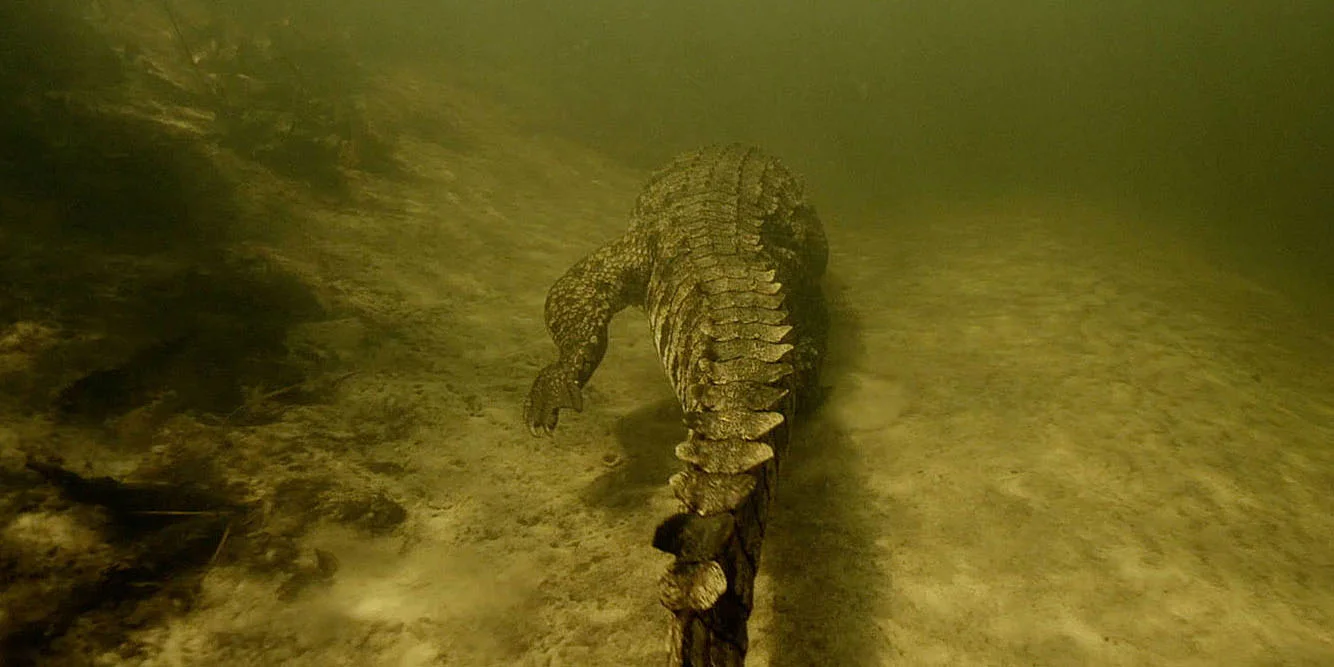
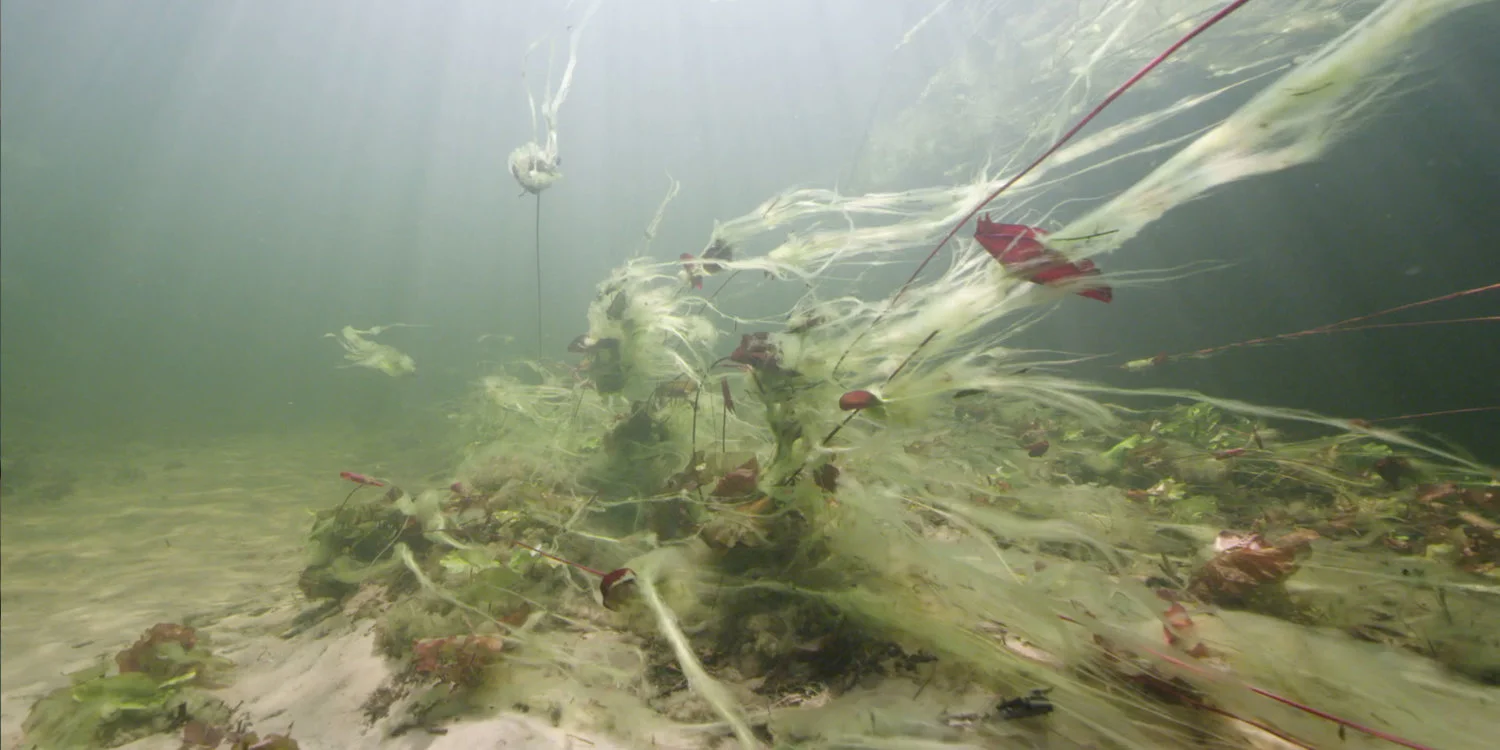

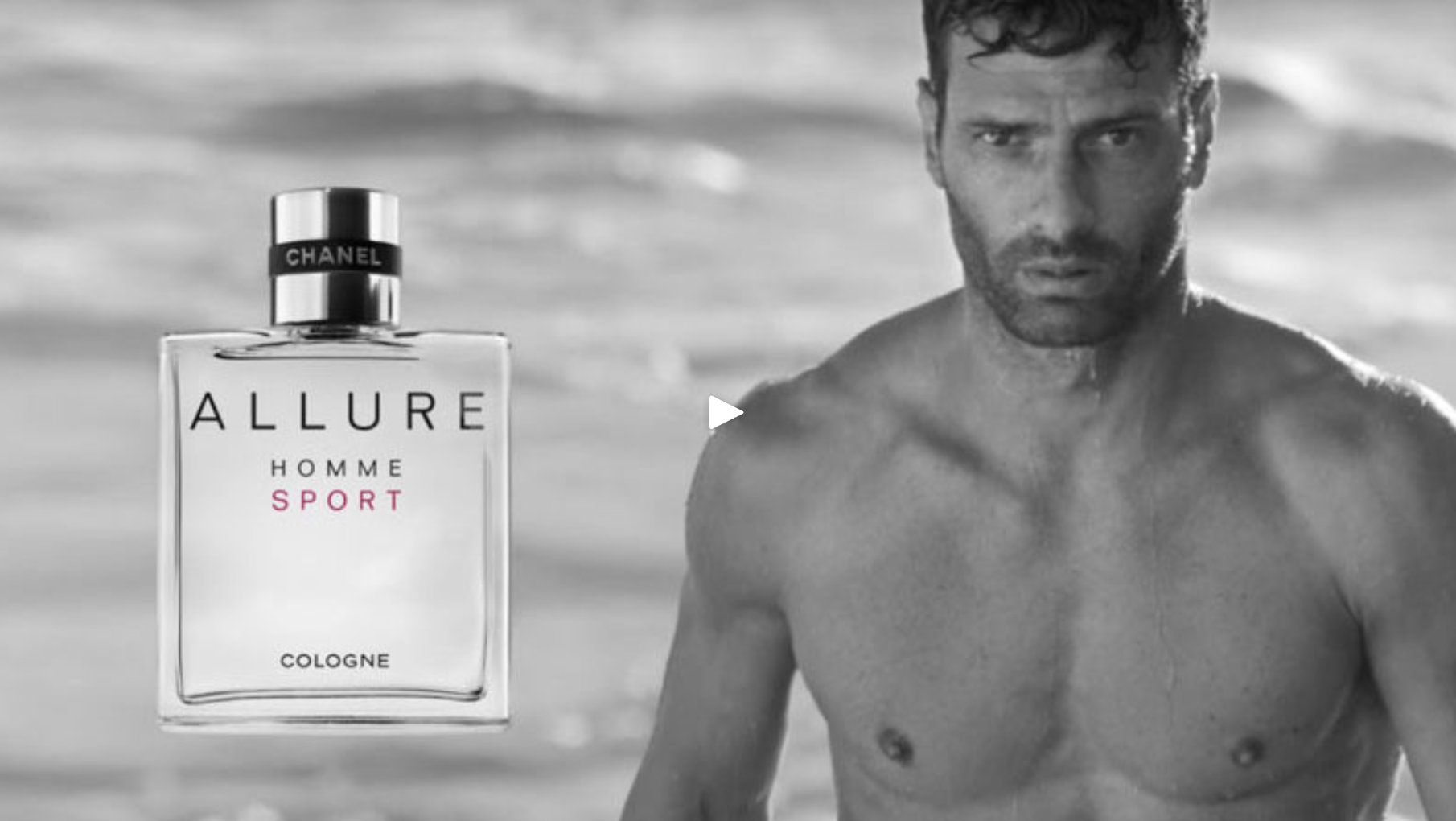
ALLURE HOMME SPORT Cologne Diver COMMERCIAL - DIRECTOR JACOB SUTTON

BBC | Spy in the Pod - 2 x60 mins | Produced by John Downer Productions

Atlantic | 3 x 60' for BBC2 | Series Producer - Dan Rees | Program 2 Producer - Ted Giffords
This 3x60 landmark series reveals the mysteries of the Atlantic Ocean - from the Arctic to the Antarctic, the crushing depths of the abyss to the sun drenched tropical reef. This series will reveal the amazing, surprising and resilient inhabitants of the Atlantic, both animals and people, as they pit themselves against the world’s wildest ocean. Each episode unveils the natural forces that underpin life in the Atlantic, from the world’s most powerful currents, ferocious hurricanes and huge chains of undersea volcanoes making this dynamic ocean rich in life.

BBC | EarthFlight 3D - 1 x 90mins | Produced by John Downer Productions
Earthflight 3D is a 90 minute special filmed in 3D with a new commentary from David Tennant. The film picks up from where the series left off to take viewers on a special journey over our planet in the company of birds. We see the seasons change, witness the most amazing events in nature and journey from the warm topics to the frozen north. Filmed using specialised and innovative camera techniques to give an up close perspective like no other, Earthflight 3D contains new and unique imagery to give an exclusive look at the world through the eyes of birds.

Touching the Dragon- 1 X 52mins. Acquired By National Geographic Channel, USA. Filmed And Directed By Craig And Damon Foster. Co-Produced And Presented By Roger Horrocks.
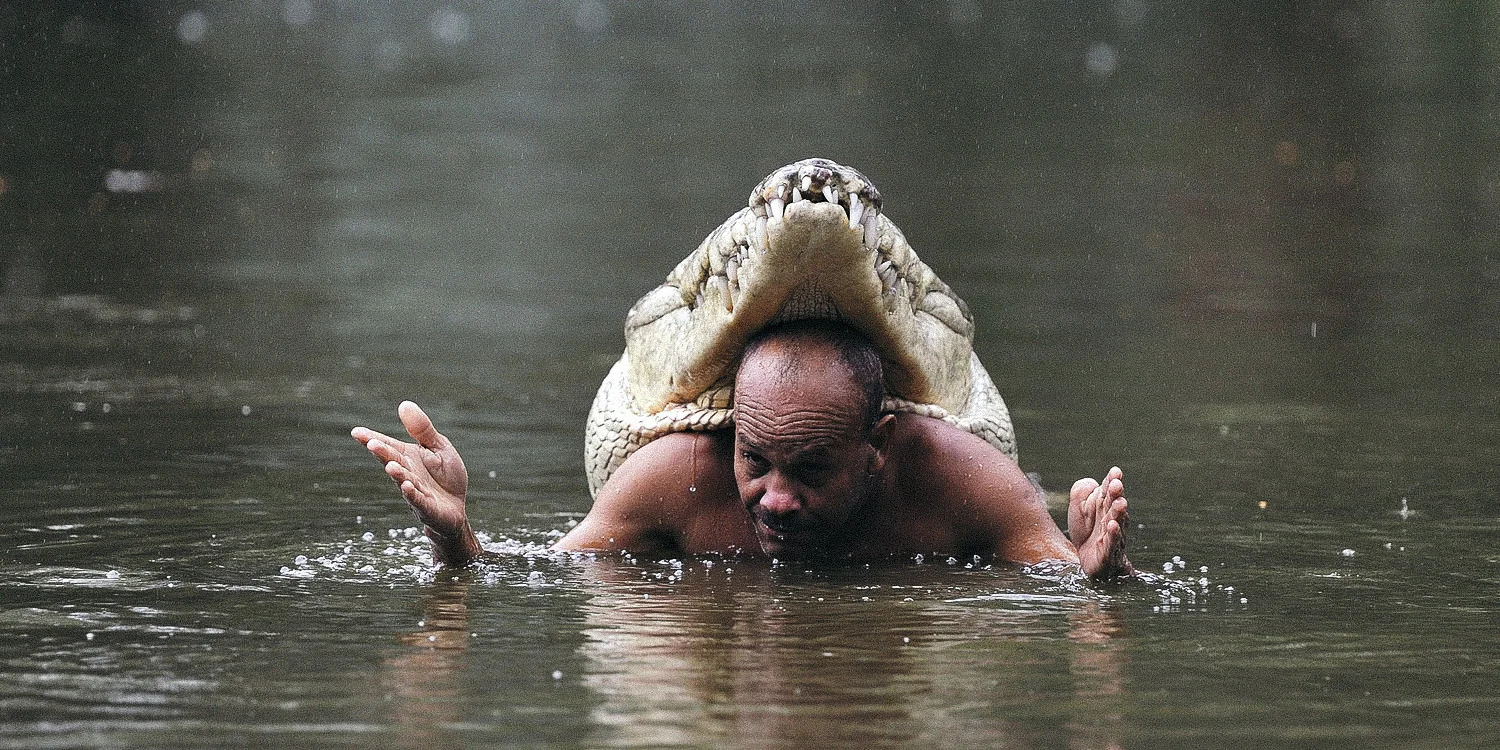
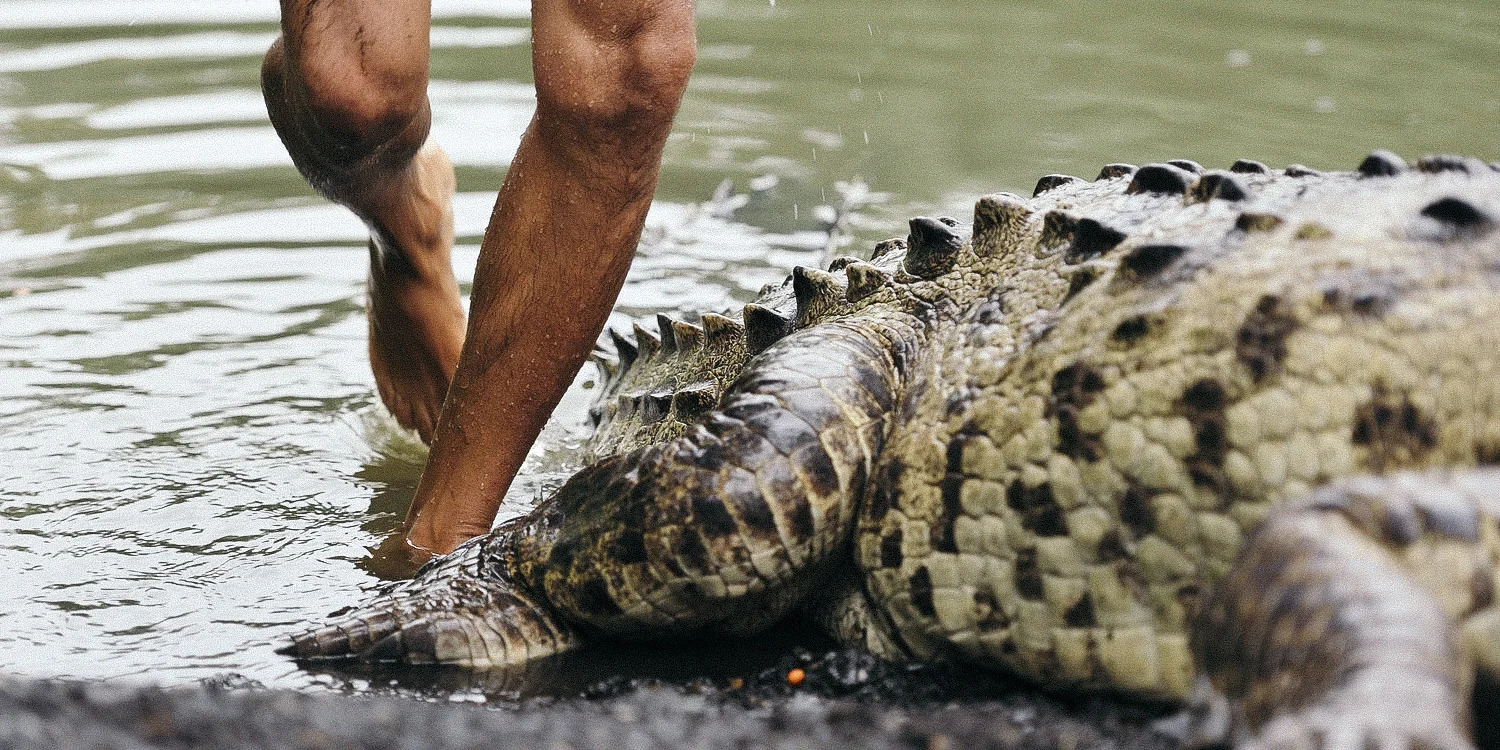
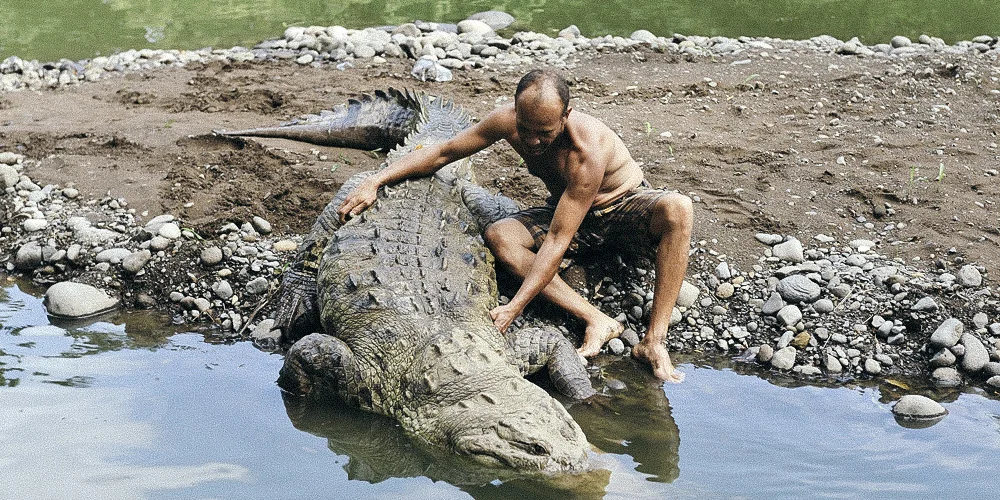
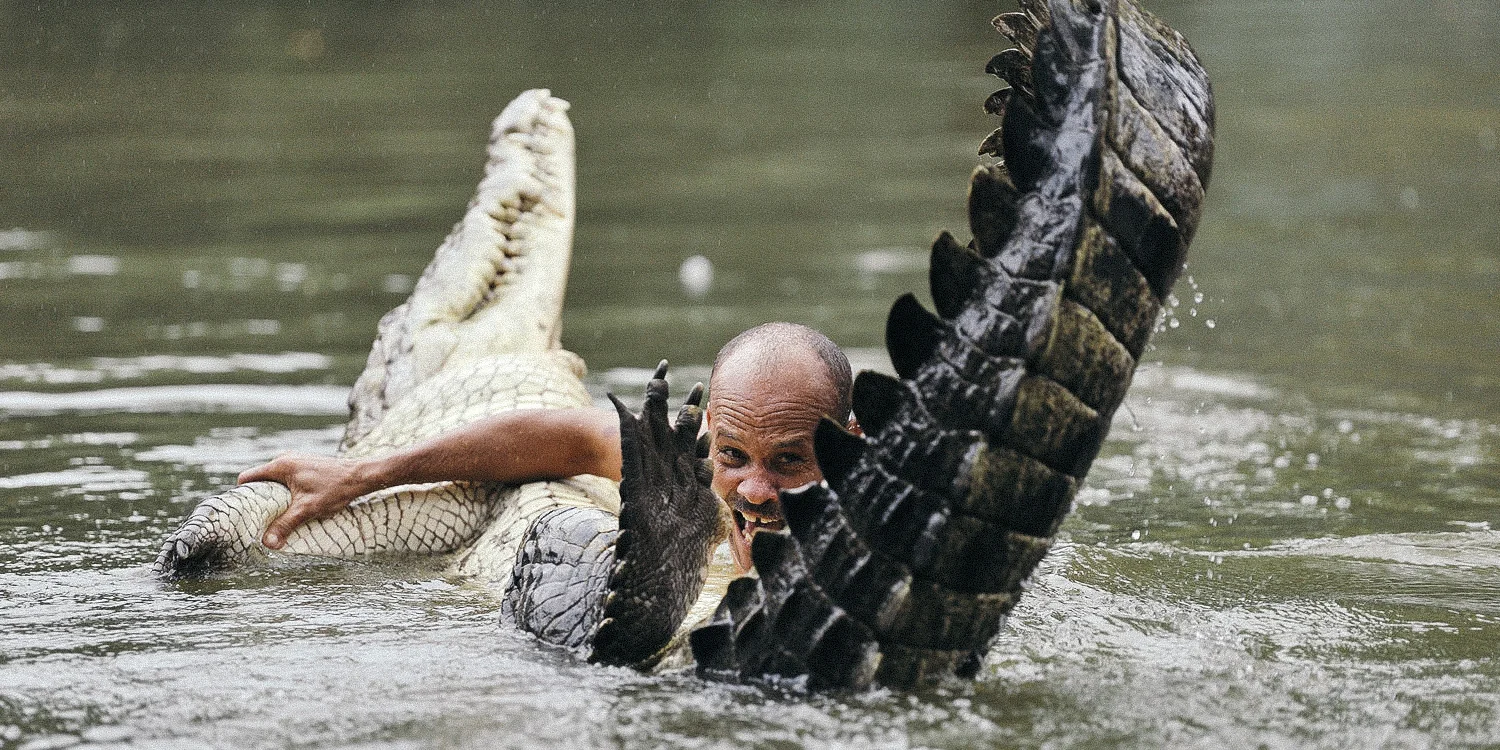
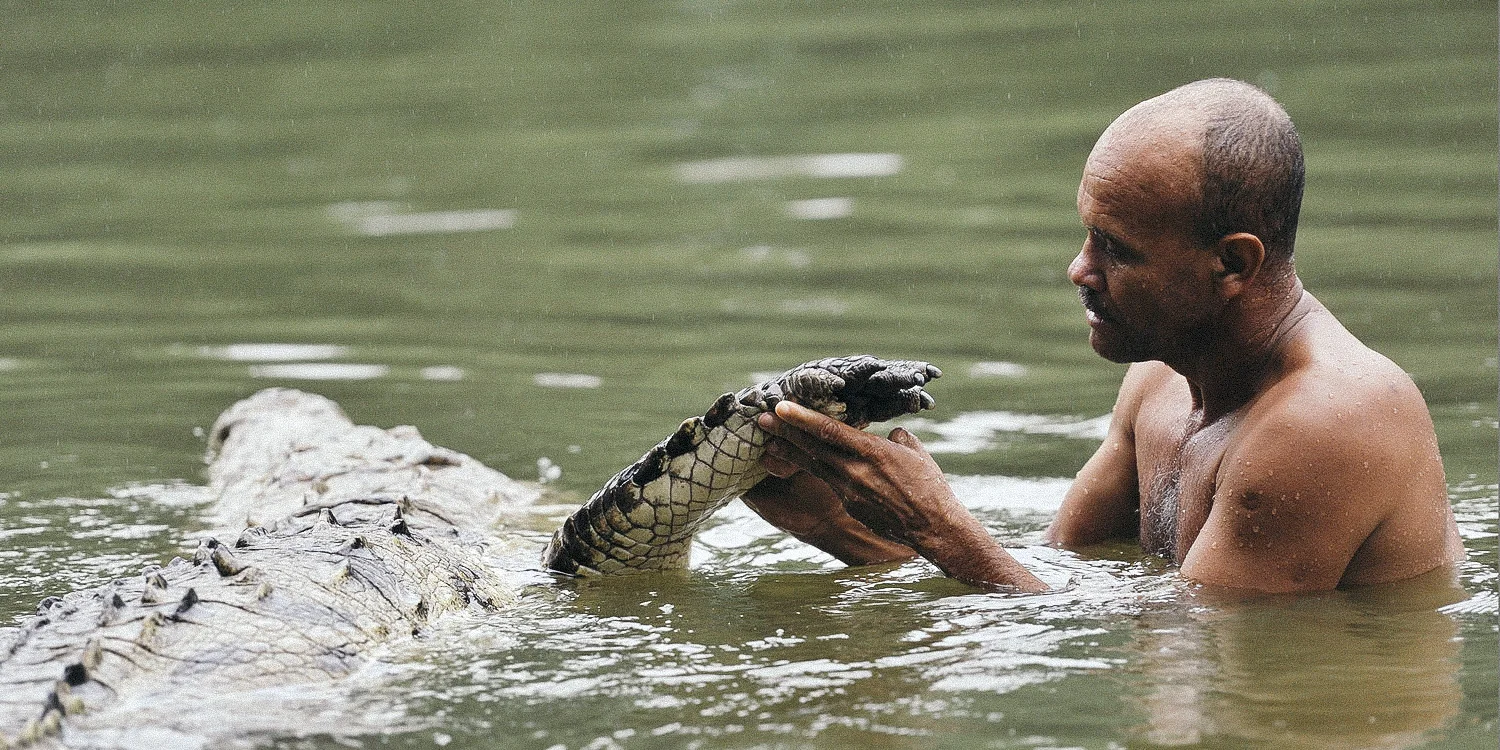
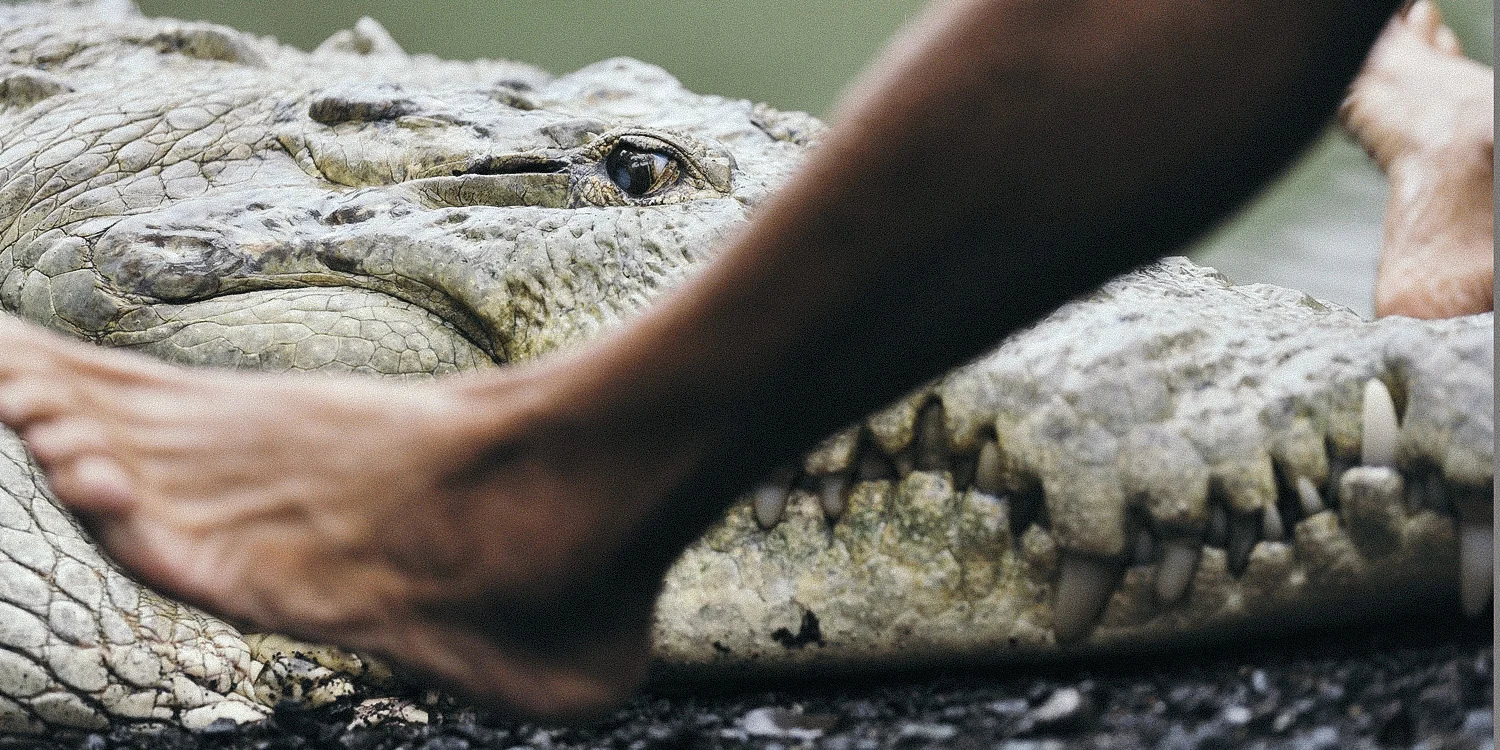

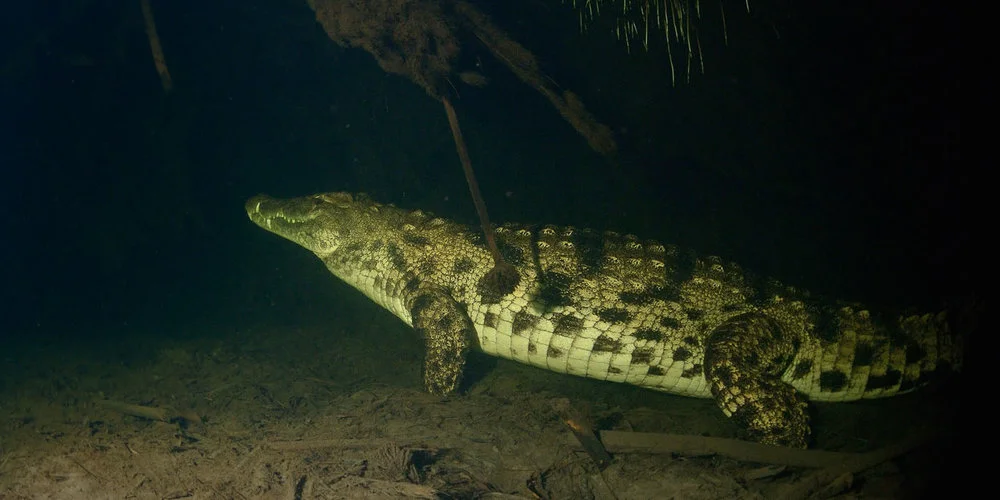
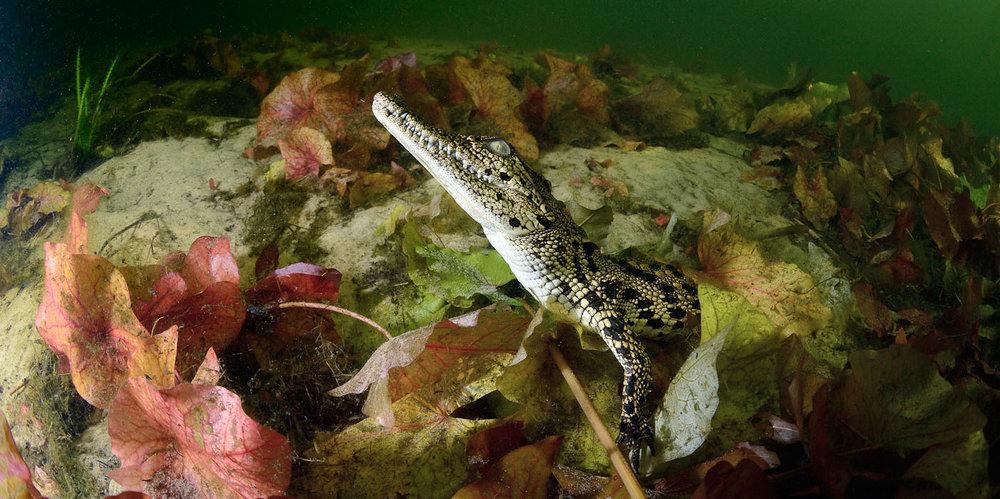
Into The Dragons Lair - 1 X 52mins Produced By Craig And Damon Foster For NHU Africa.

BBC: Nature's Great Events: The Great Tide - 1 X 52mins.
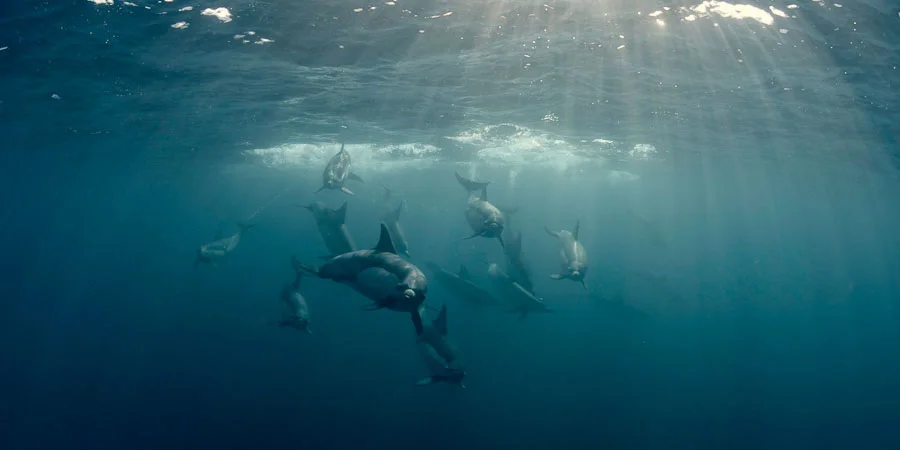
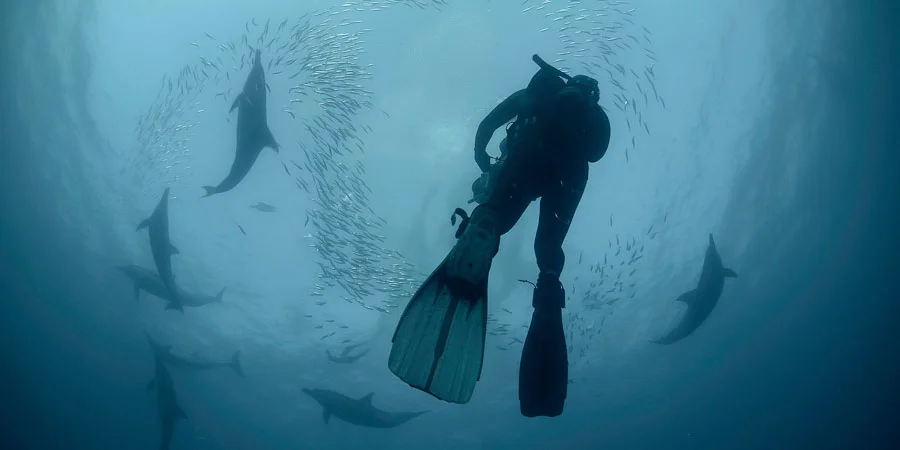
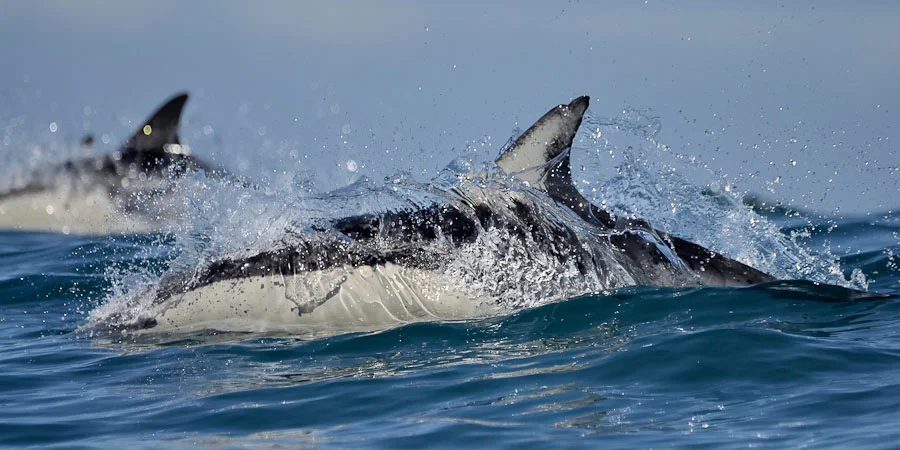
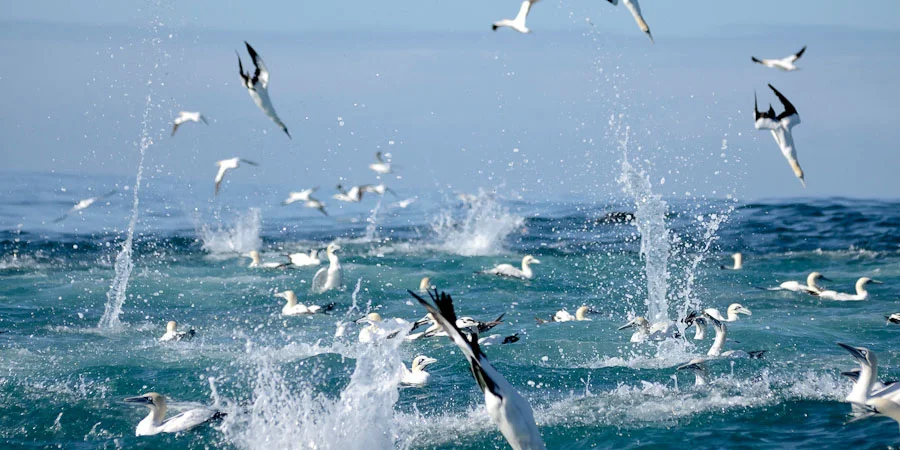
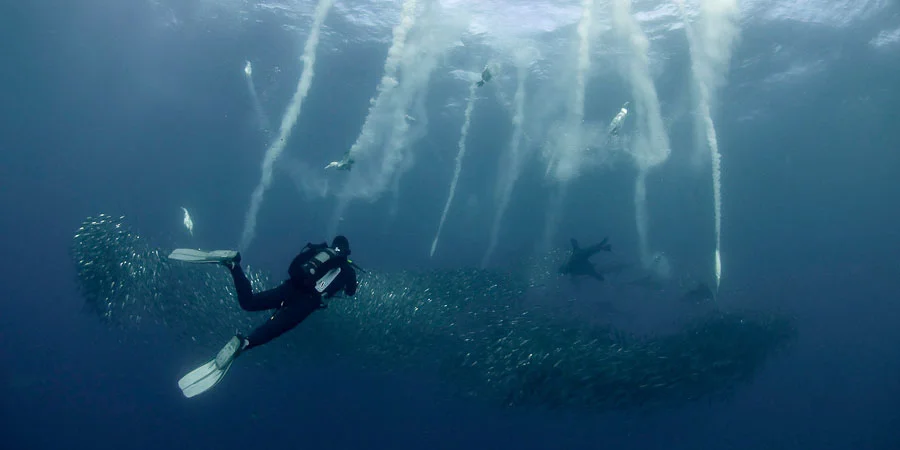
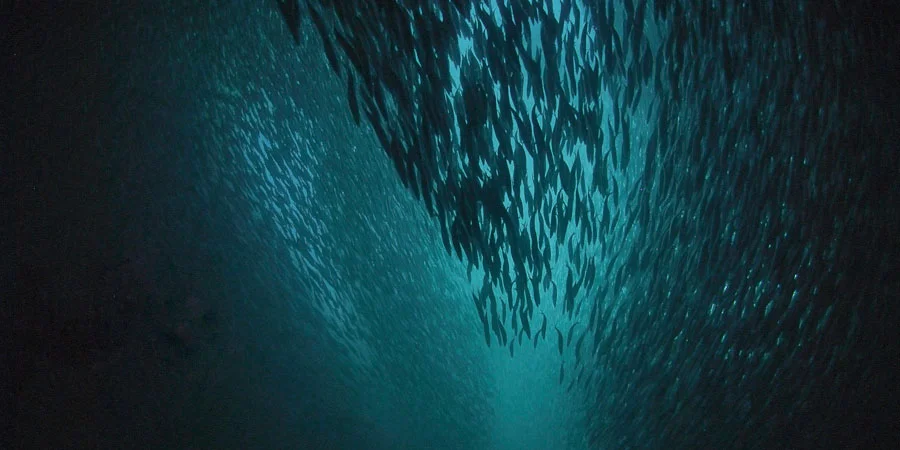
"The Great Tide", produced by Hugh Pearson, documents the sardine run that occurs off the east coast of South Africa during the winter months of June and July.